7 hr
Big Island: Volcanoes National Park & Hilo Full Experience
From fiery calderas to black sand shores — a 7-hour Big Island journey covering lava, sea turtles, and waterfalls.
Reserve
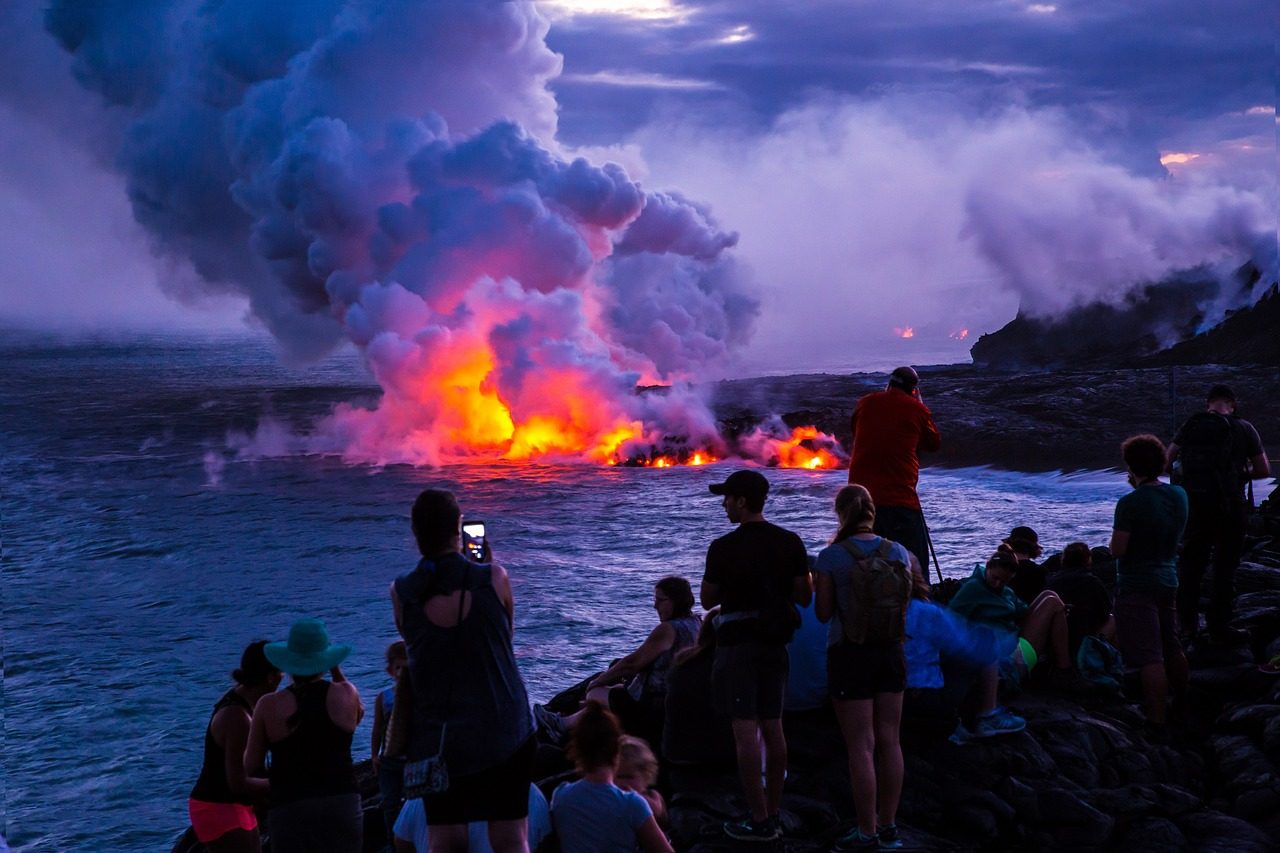
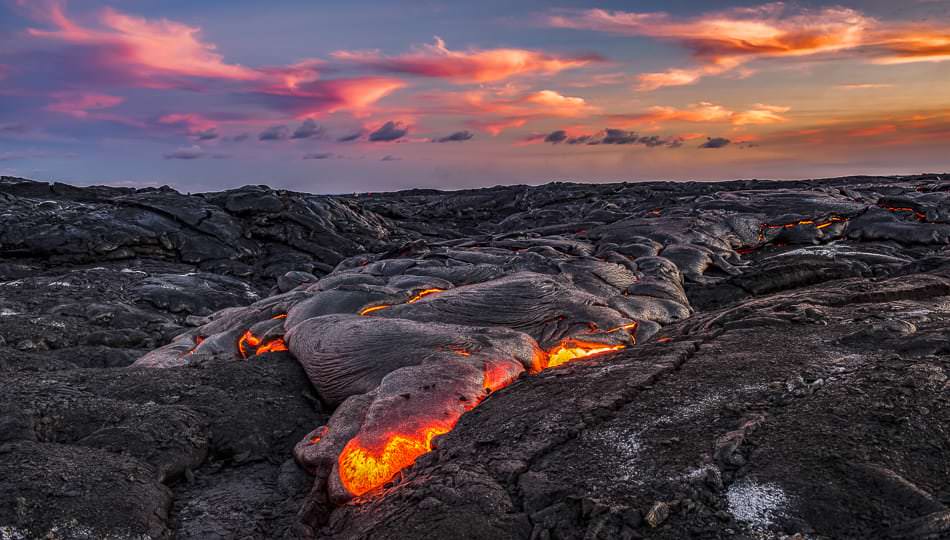
Steam rises from cracked ground, the island keeps building itself.
Hand-picked by our editors — only the best 9 experiences from 214 reviewed.
Verified partners for Big Island Volcano tours, free cancellation where available, and instant confirmation on every booking.
7 hr
From fiery calderas to black sand shores — a 7-hour Big Island journey covering lava, sea turtles, and waterfalls.
Reserve
11 hr
Circle the island's most dramatic landscapes from rainforest cascades to active volcanic craters
Reserve
12 hr
From Kona coffee farms to glowing lava flows — a full-day Big Island adventure capped with stargazing.
ReservePrices from verified partners. Availability updates in real time at checkout. Free cancellation policies apply where shown.
The landmarks, rooms, and views travelers on Big Island Volcano tours remember — all visible on a single visit.
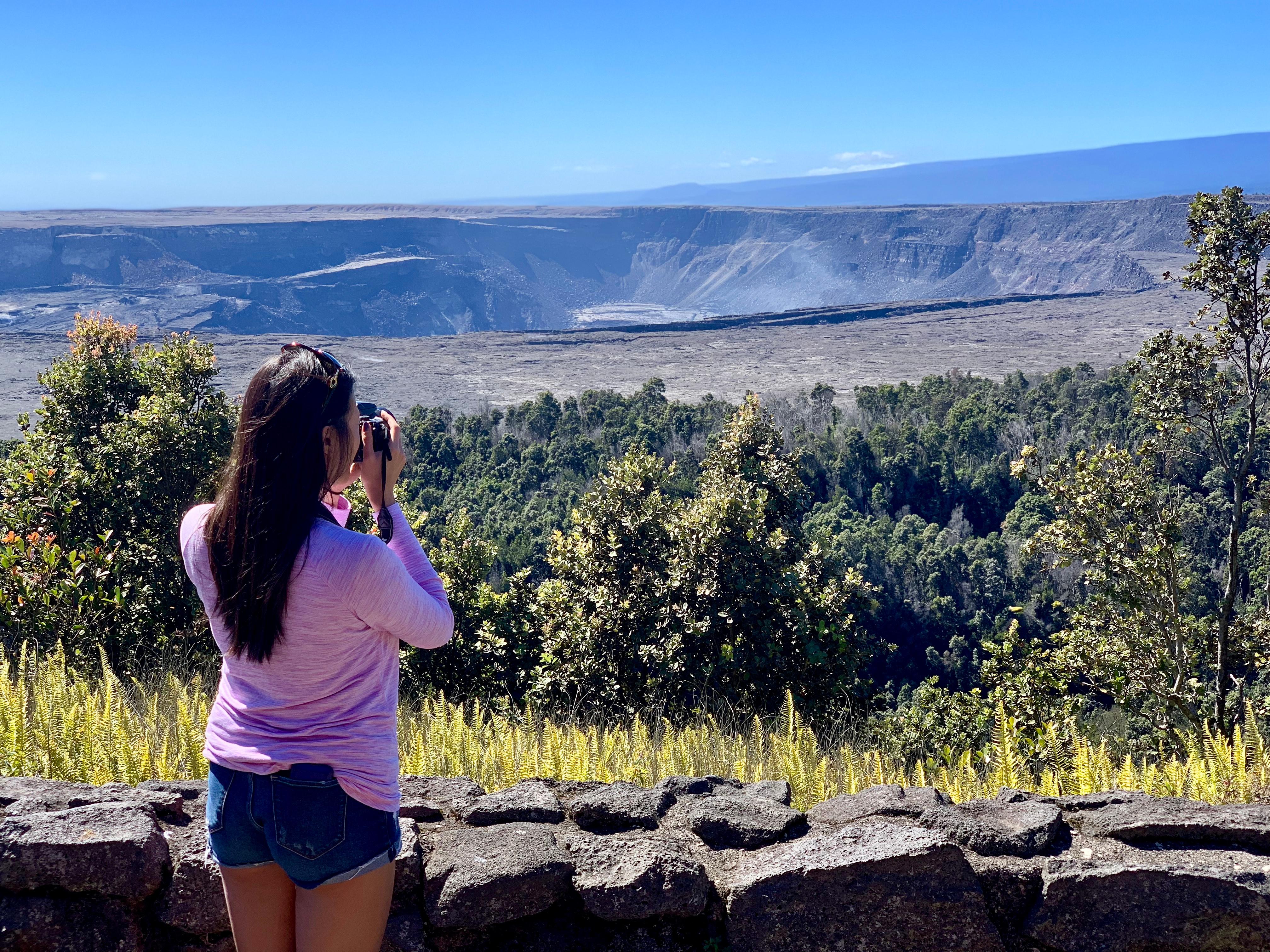
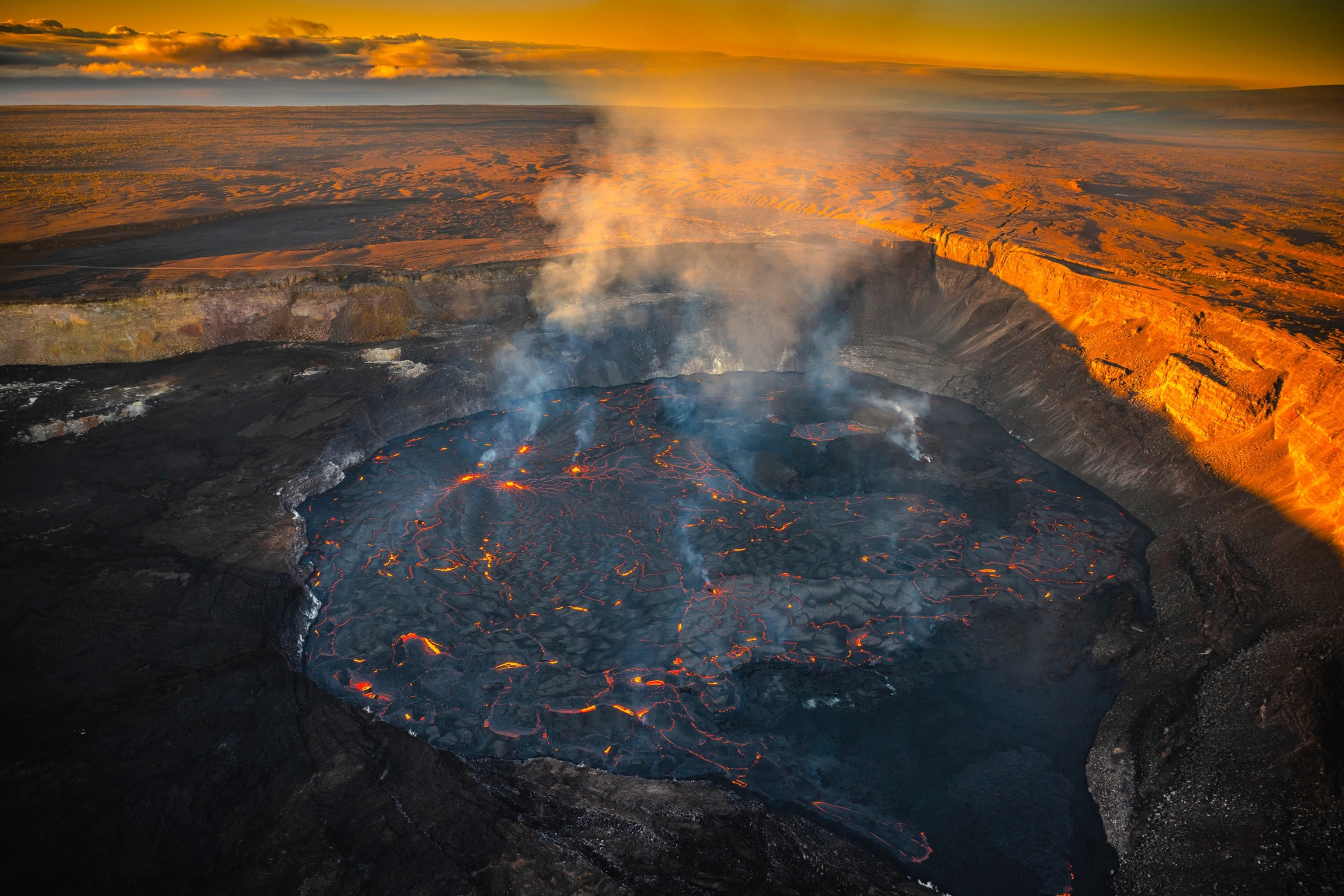
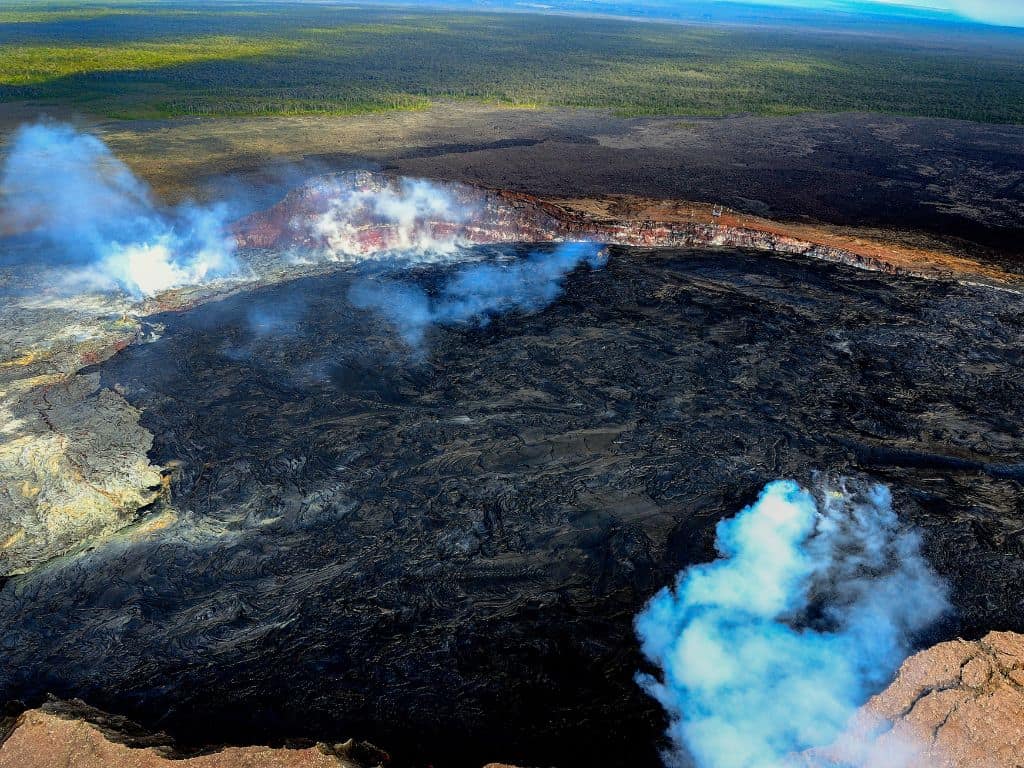
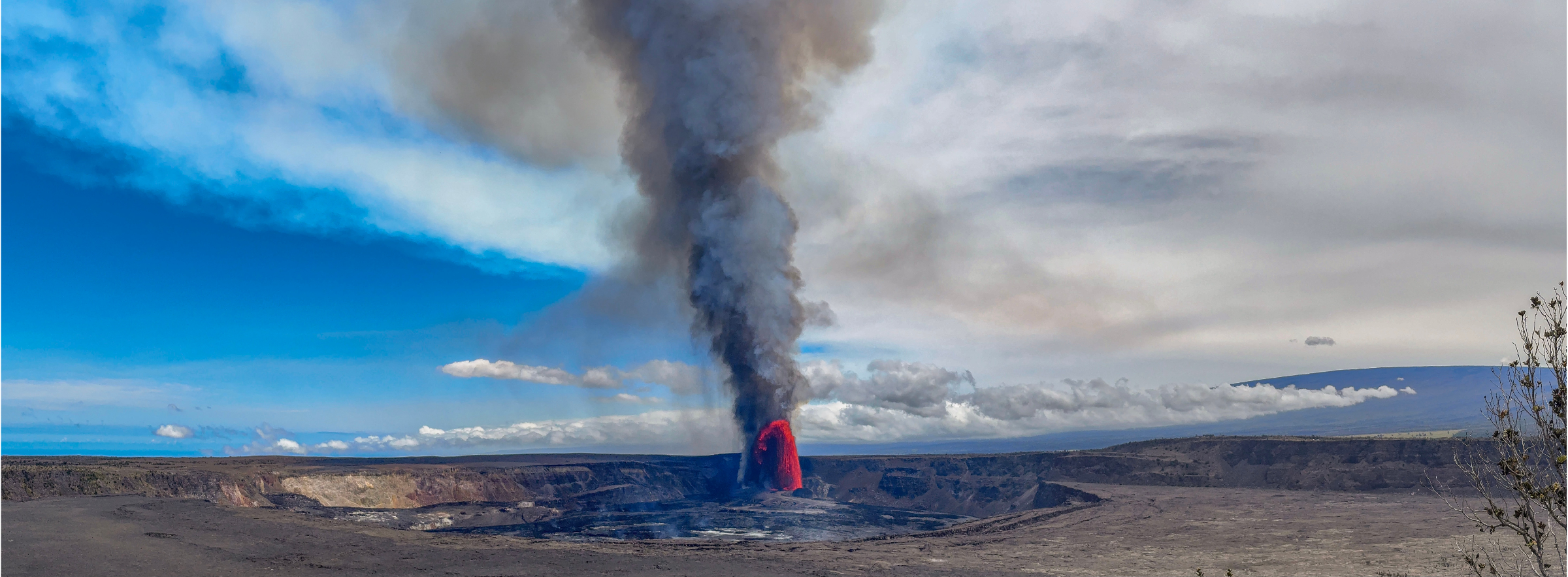
The centerpiece of Hawaii Volcanoes National Park is a massive volcanic crater that has been active for centuries. It remains one of the most monitored geological sites in the world.
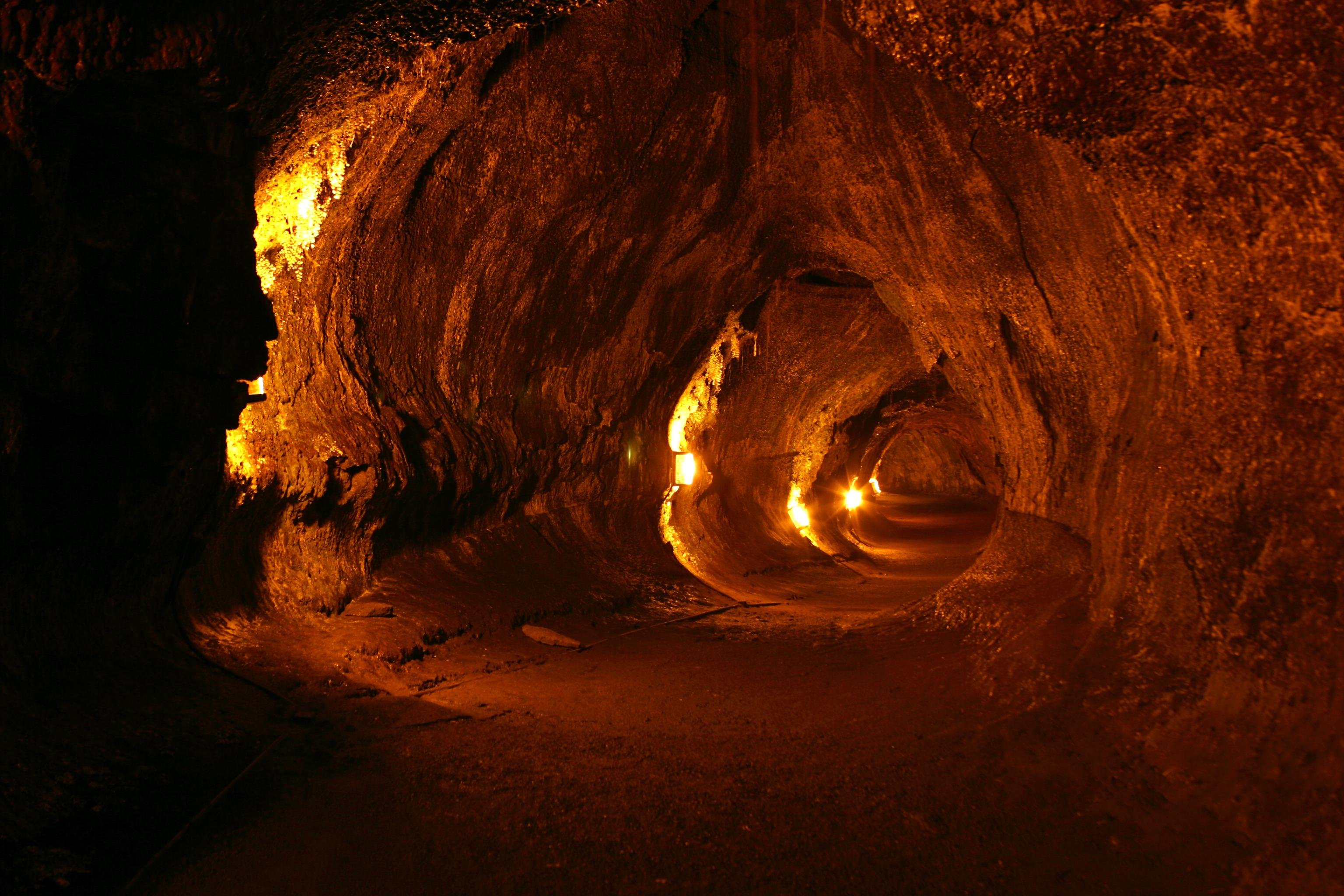
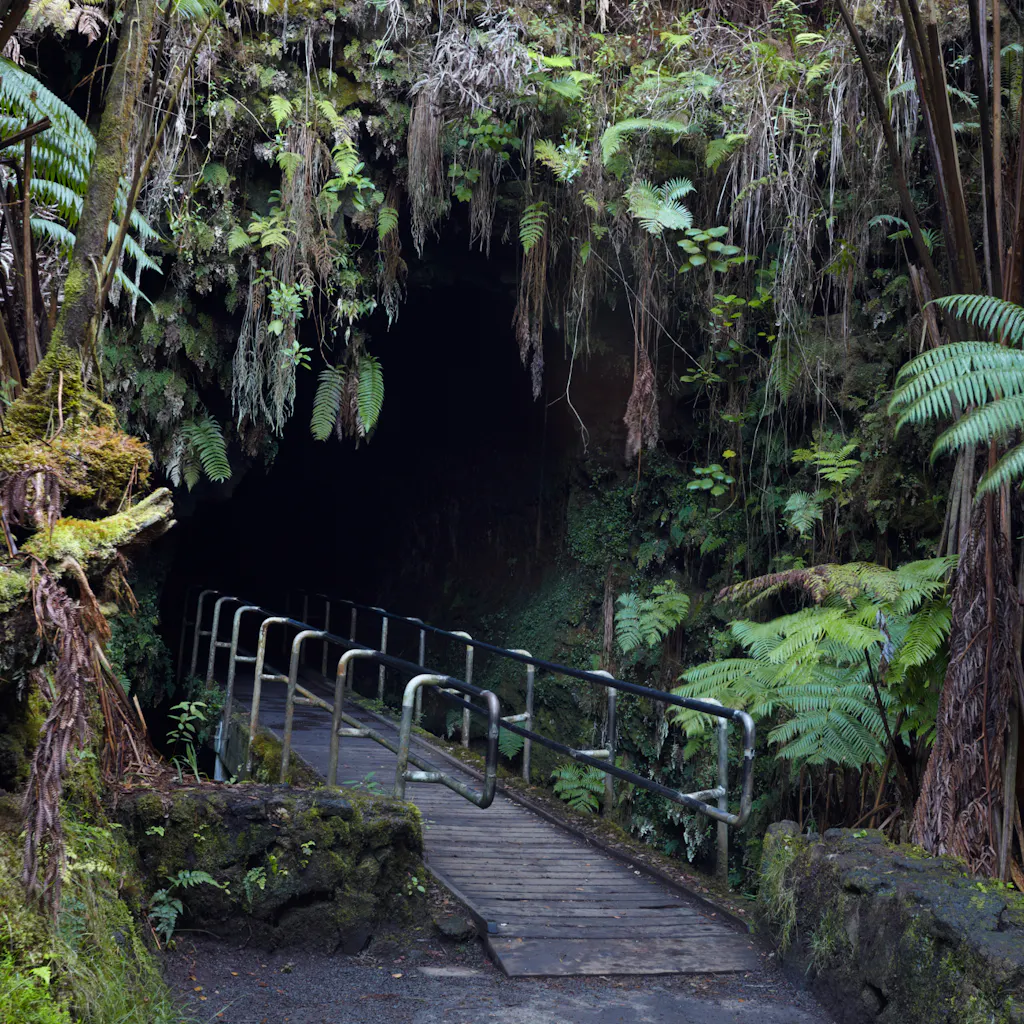
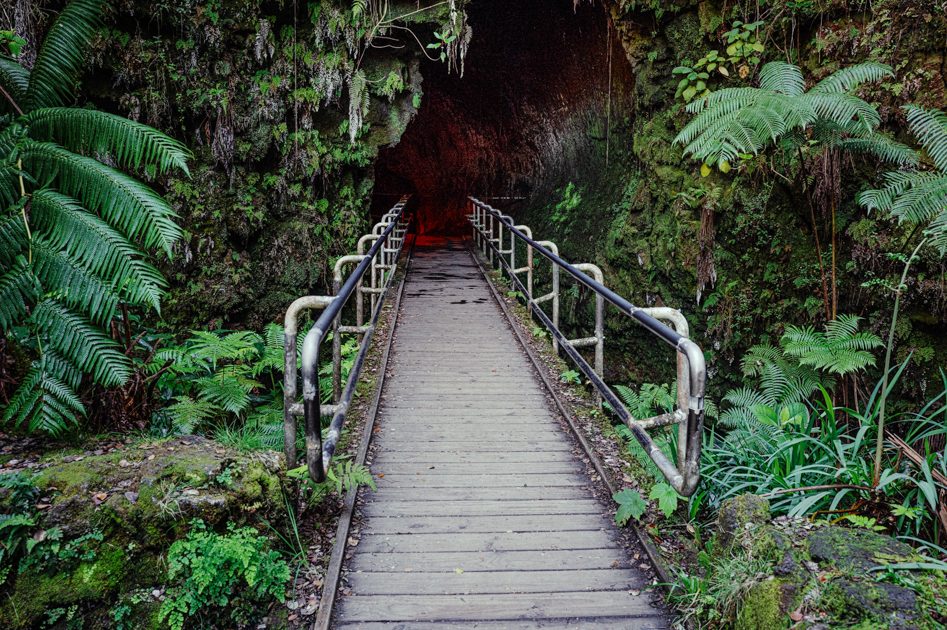
This historical site is a 500-year-old lava cave formed by cooling lava flows. It provides a unique opportunity to walk through a subterranean tunnel.
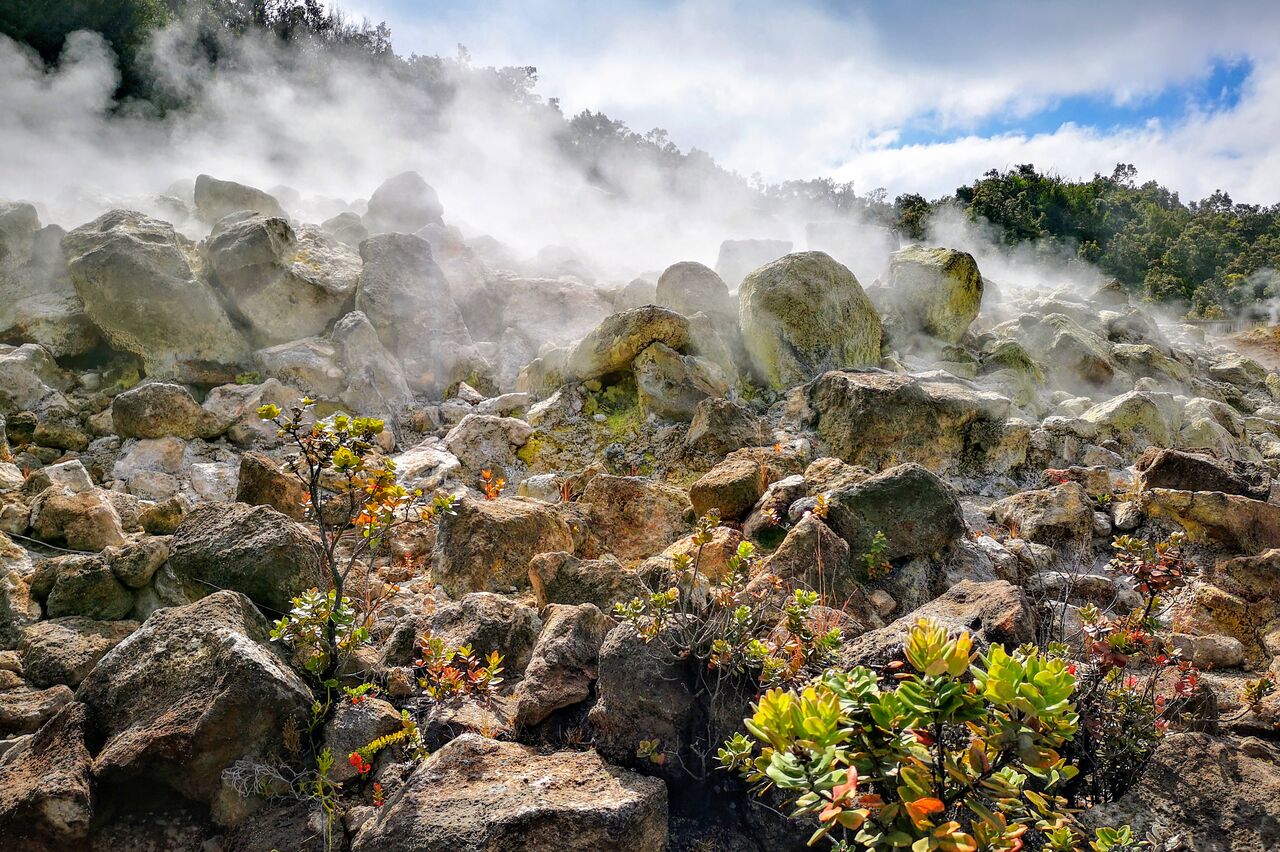
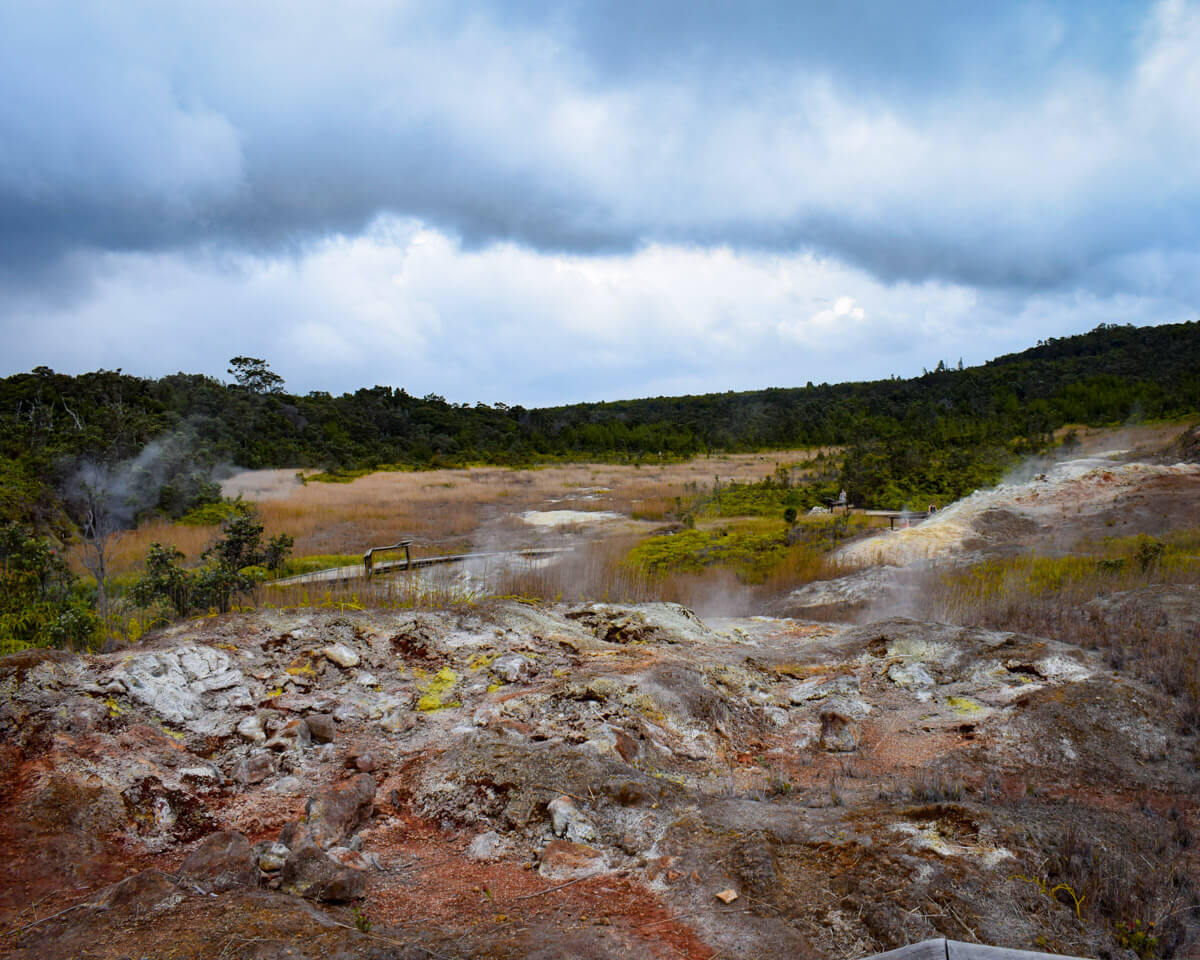
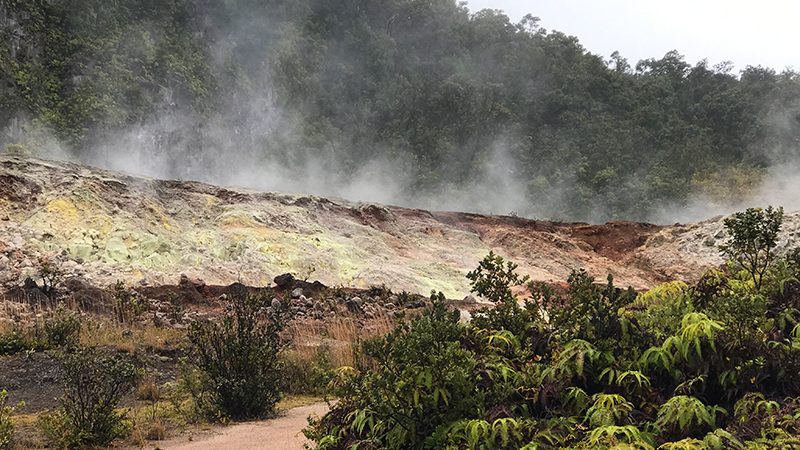
Naturally occurring steam vents demonstrate the heat still present just beneath the earth's surface. These vents form as groundwater meets hot volcanic rock.
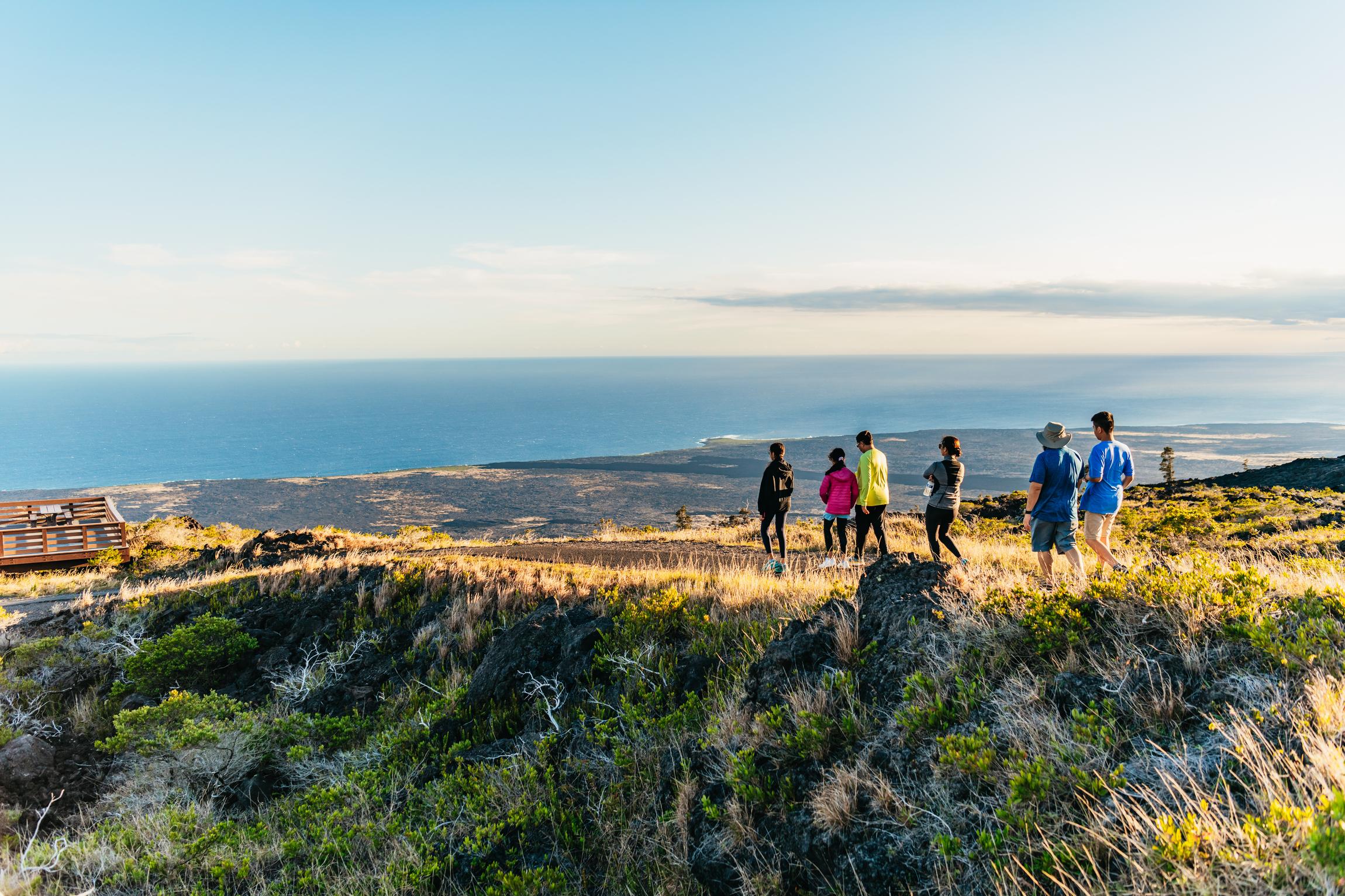
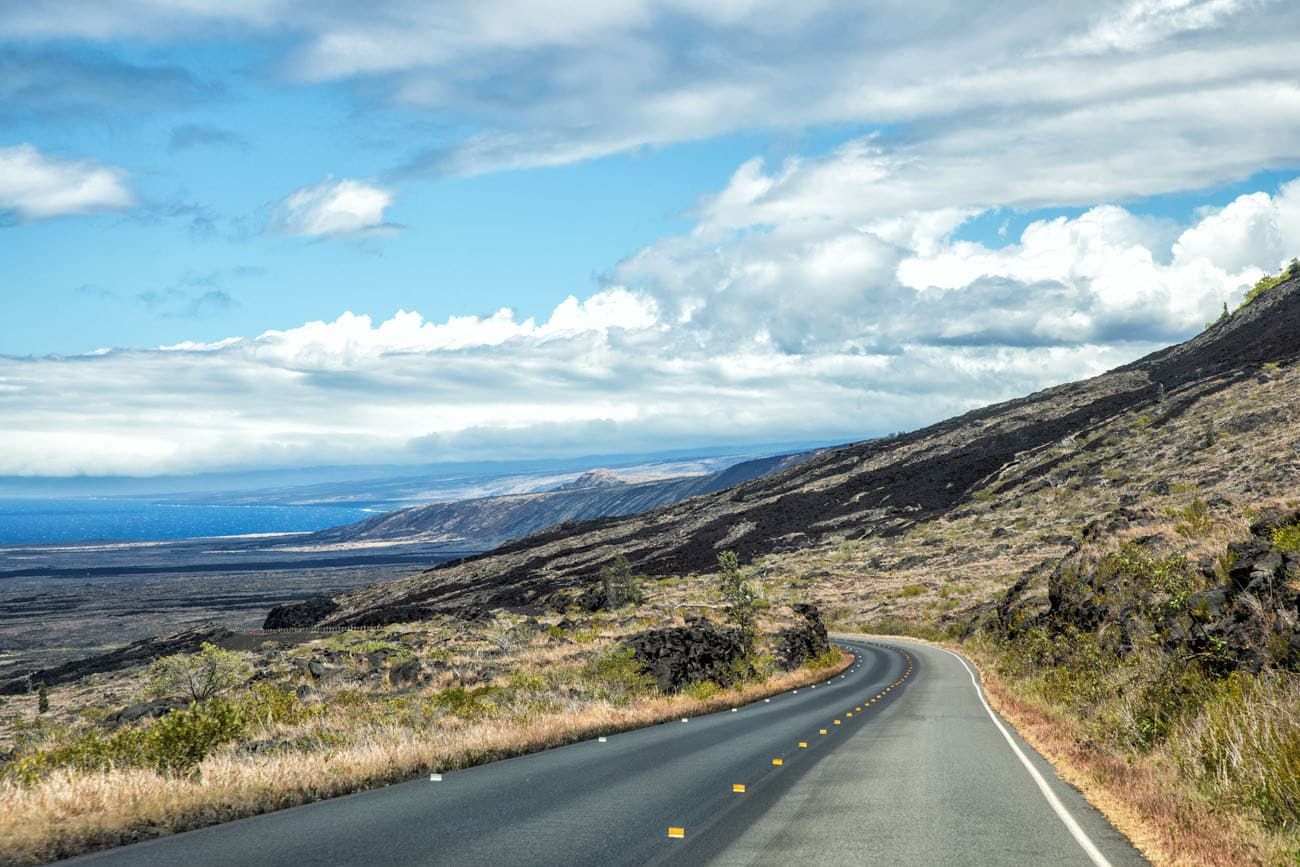
This winding road descends over 3,000 feet toward the ocean, showcasing multiple prehistoric and modern lava flows. It is a scenic route for experiencing different volcanic landscapes.
These deposits are created by volcanic gases escaping the earth and cooling, leaving behind vibrant yellow sulfur crystals. The area features a distinct geological smell.
Every Big Island Volcano tour side-by-side — duration, what's included, how you redeem.
| Experience | Duration | Rating | Pickup | Lunch | Skip-the-line | Guide | Price | |
|---|---|---|---|---|---|---|---|---|
|
Guided Experience Most popular
Big Island: Volcanoes National Park & Hilo Full Experience
|
7 hr | ★ 4.9 | ✓ | ✓ | ✓ | ✓ | €164 | Book → |
|
Guided Experience
Big Island Grand Circle: Volcanoes, Waterfalls & Coffee
|
11 hr | ★ 4.8 | ✓ | ✓ | ✓ | ✓ | €239 | Book → |
|
Guided Experience
Big Island: Volcano, Coffee & Stargazing Day Tour with Dinner
|
12 hr | ★ 4.8 | ✓ | ✓ | ✓ | ✓ | €239 | Book → |
All prices from verified partners. Availability and exact terms confirmed at checkout.
Professional big island volcano tours provide deep geological context, whereas independent exploration allows for total control over your schedule at this Hawaii landmark.
| Feature | Top pick Guided Volcano Tours | Independent Exploration |
|---|---|---|
Logistics |
Pre-arranged transport and logistics | |
Expertise and Narrative |
Professional guide storytelling and geological insights | |
Flexibility |
Fixed itinerary with set stops | |
Cost Structure |
Per-person fee including park entry | |
Group Dynamics |
Shared vehicle with other travelers | |
Arrival Timing |
Depends on operator schedule | |
| See tickets → |
Verdict: Those seeking in-depth narration often prefer guided big island volcano tours tours, while visitors valuing solitude favor the freedom of independent park access using these big island volcano tours tickets or self-guided big island volcano tours tour planning.
Choose your ticket, select your date, and reserve in under two minutes. Secure checkout handled by our verified partner.
Instant confirmation by email, with a mobile voucher you can save offline. No printing, no queuing at a collection desk.
Arrive at the entrance, show your voucher on your phone, and walk in. Most tickets include priority or skip-the-line access.
Practical details for Big Island Volcano tickets straight from our verified partners — hours, access, rules, and how to get there.
1 Crater Rim Drive, Hawaii National Park, HI 96718
Main check-in for guided experiences.
Open in Google MapsThe only reliable way to reach the park is by rental vehicle. Parking is available at major trailheads but fills quickly after 10:00.
Wear sturdy, closed-toe walking shoes to navigate uneven volcanic terrain safely. Layered clothing is recommended as temperatures fluctuate significantly between the summit and coastal areas.
Standard daypacks are permitted for hikers. Ensure you carry out all trash to keep the park pristine.
Photography is permitted throughout Hawaii Volcanoes National Park. Stay on marked trails at all times while capturing images of the landscape.
The Kilauea Visitor Center and several overlooks provide accessible paths for visitors. Check the current park accessibility guide for specific trail conditions.
Cellular service is unreliable throughout the park. Download offline maps and guides before entering the area.
The park offers junior ranger programs suitable for children. Always keep children within arm's reach due to dangerous volcanic features.
Limited food service is available within the park at The Rim restaurant. Bringing ample water and snacks is necessary for long treks.
Pets must be leashed at all times and are restricted to paved areas. They are prohibited on most hiking trails for safety reasons.
Big island volcano tours require awareness of volcanic gases which can affect respiratory health. Consult the daily air quality report at the visitor center.
1 Crater Rim Drive, Hawaii National Park, HI 96718
Main check-in for guided experiences.
Get directionsBest time to go, insider tips, nearby landmarks, and the cancellation fine print — flip through to skim what matters to you.
How crowds, weather, and events shift across the year.
Expect higher humidity and temperatures reaching 80°F. June through August brings consistent daylight for longer exploration.
Small details that turn a good visit into a great one.
Arrive during the best arrival window of 06:00–10:00 to secure parking.
Non-bookable sights within a short walk — free to visit, easy to pair.
Witness natural steam rising from underground volcanic activity.
Flexible, no hidden fees.
The entrance fee of 30 USD per private non-commercial vehicle is valid for seven consecutive days. Refunds are generally not provided for standard park entry fees once purchased.
Hand-picked options within walking distance — pick a district for vibe, or a specific hotel for convenience.
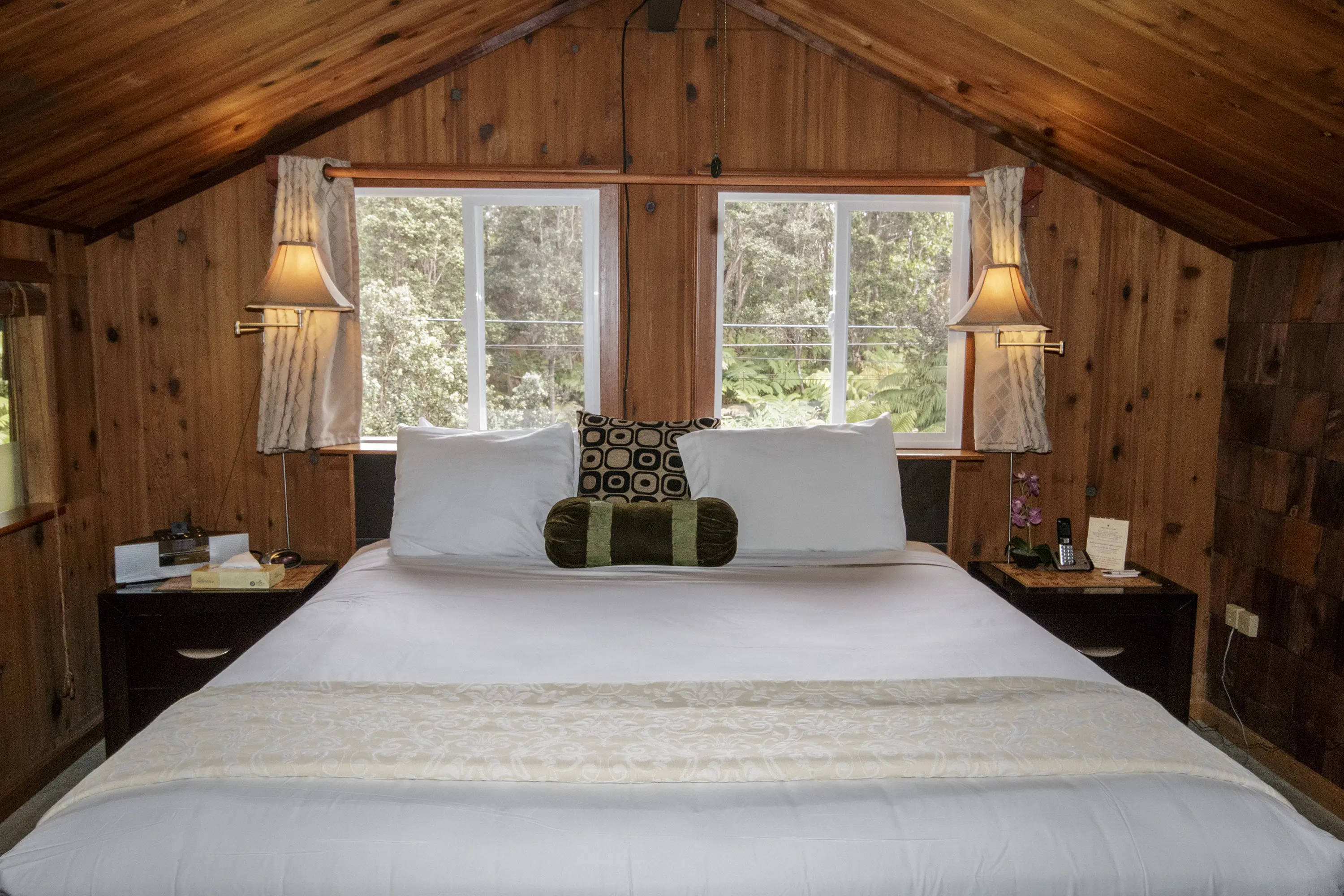
Historic hotel overlooking the Kilauea caldera rim.
Kīlauea has erupted for roughly 60 of the last 70 years, making it one of the most persistently active volcanoes on Earth.
The park that contains it, established in 1916, protects two of them: Kīlauea and the far larger Mauna Loa, which rises 4,169 metres above sea level and holds more volume than any other mountain on the planet. Together they cover 335,259 acres of land that did not exist in geological deep time and is still, measurably, growing.
Native Hawaiian tradition places Pele, the deity of volcanoes and fire, at Halemaʻumaʻu, the crater within Kīlauea's summit caldera. Offerings are still left at the rim. The mountain is not a spectacle in this understanding but a residence, and the park's interpretive programmes reflect that reading alongside the geological one. Modern big island volcano tours are shaped by both frames — the seismographic and the ancestral — and the better guides refuse to separate them.
The scientific record here is equally deep. The Hawaiian Volcano Observatory, founded on the caldera rim in 1912 by Thomas Jaggar, pioneered continuous volcano monitoring as a discipline. Its instruments recorded the 2018 collapse events that dropped the Halemaʻumaʻu floor by more than 500 metres and reshaped Crater Rim Drive, closing sections that remain altered today. Lava tubes, the Kaʻū Desert ash beds, and the pit craters along Chain of Craters Road each preserve a different chapter of that record.
Demand for access is not local. Operators run big island volcano tours from Kona as day trips down the Hāmākua or South Point routes, and full-day flights bring visitors on big island volcano tours from Oahu, departing Honolulu before dawn. Comparable programmes exist as big island volcano tours from Maui and from Waikiki hotels, all funnelling toward the same 1 Crater Rim Drive entrance. UNESCO inscribed the park as a World Heritage Site in 1987, and its visitor figures have followed that recognition.
What distinguishes a considered big island volcano tours tour from a checklist drive is attention to the transitions. The road climbs from coastal ʻōhiʻa forest through fern-choked rainforest to a summit plateau where sulphur banks vent continuously and vegetation thins to nothing. Nēnē, the Hawaiian goose, graze the roadside grass; happy-face spiders occupy the wet understory. The Thurston Lava Tube, formed roughly 500 years ago, runs cool and dripping beneath ground that is otherwise warm.
The park's meaning today rests on that instability. Coastlines here are provisional. The 1983–2018 Puʻu ʻŌʻō eruption added over 400 hectares of new land and buried the town of Kalapana. Visitors arrive expecting a monument and find instead an argument in progress — a landscape that revises itself, sometimes within a single season, and asks anyone standing on it to accept that the ground is a verb rather than a noun.

"The ground here is a verb rather than a noun."
A step-by-step walkthrough of Big Island Volcano tickets — what you'll see, how long each stage takes, and the details that matter.
You turn off Highway 11 at 1 Crater Rim Drive and pay 30 USD per private non-commercial vehicle, valid for seven consecutive days. Arriving between 06:00 and 10:00, you find the overlook lots still half-empty and the caldera holding a layer of cold mist.
The gates never close — the park runs 00:00–23:59, every day — but morning is when the parking exists.
You start at Kīlauea Visitor Center, where rangers chalk the day's air-quality reading on a board. Sulphur dioxide levels dictate which overlooks are open. You take the Sulphur Banks boardwalk first, 1.2 kilometres through vents that stain the rock yellow and smell faintly of struck matches. Your camera lens fogs. You keep walking.
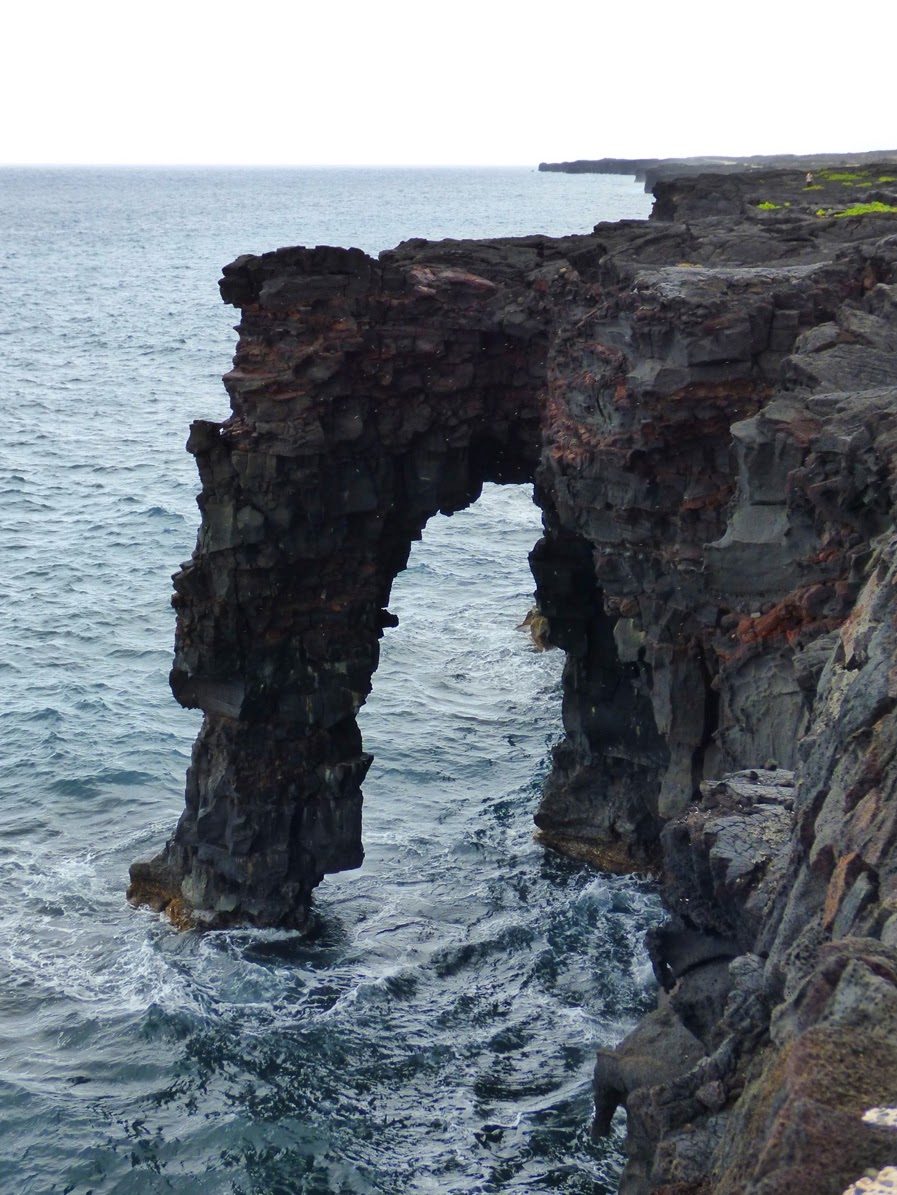
By mid-morning you drive Chain of Craters Road, dropping 1,120 metres over 30 kilometres to the coast. You pull over eleven times. Pahoehoe flows lie frozen mid-pour across older ones, ropey and glassy. At the road's end you stand where asphalt simply stops, buried under 1995 lava, and the Hōlei Sea Arch works below.
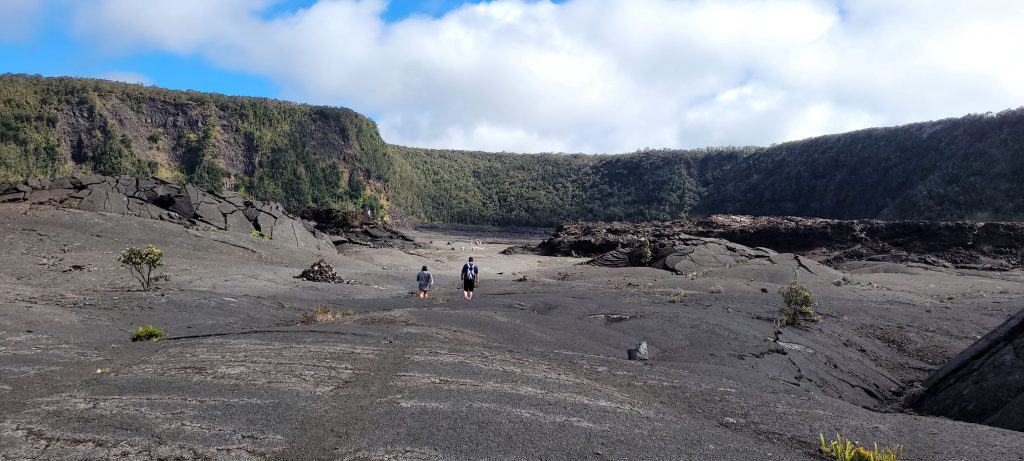
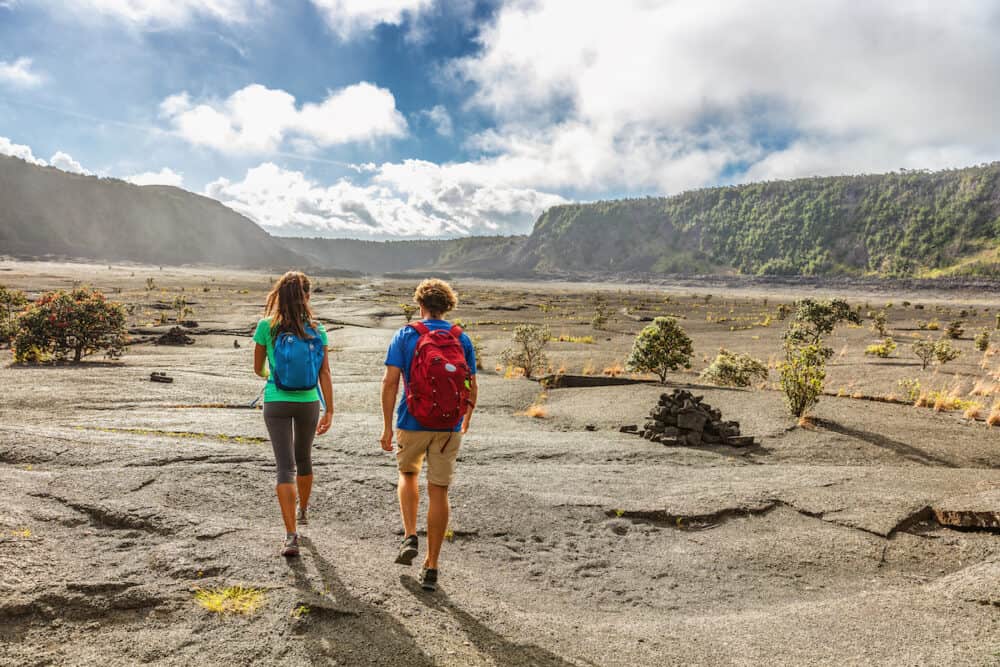
Afternoon returns you uphill. You walk the Kīlauea Iki Trail, descending 120 metres through rainforest onto a crater floor that was a lava lake in 1959 and still steams through cracks. Groups arriving on big island volcano tours from Kona pass you on the switchbacks. You finish at Nāhuku, the lava tube, then call +1-808-985-6011 to confirm evening conditions before choosing whether to stay for the glow.
The park is open 00:00–23:59 every day of the week.
Yes, the entrance fee is 30 USD per private non-commercial vehicle, valid for seven consecutive days.
Plan to arrive during the best arrival window of 06:00–10:00 to avoid crowds and secure parking.
Yes, many main viewpoints and the Kilauea Visitor Center in Hawaii Volcanoes National Park are accessible.
You may bring food, but please dispose of all waste properly as trash facilities are limited.
Wear layered clothing and sturdy, closed-toe walking shoes to handle the volcanic terrain safely.
Standard entry does not require tickets, but private big island volcano tours may require advance booking.
Pets are permitted only on paved areas and must be leashed at all times.
The only practical way to explore the park is by driving your own or a rented vehicle.