12 hr 30 min
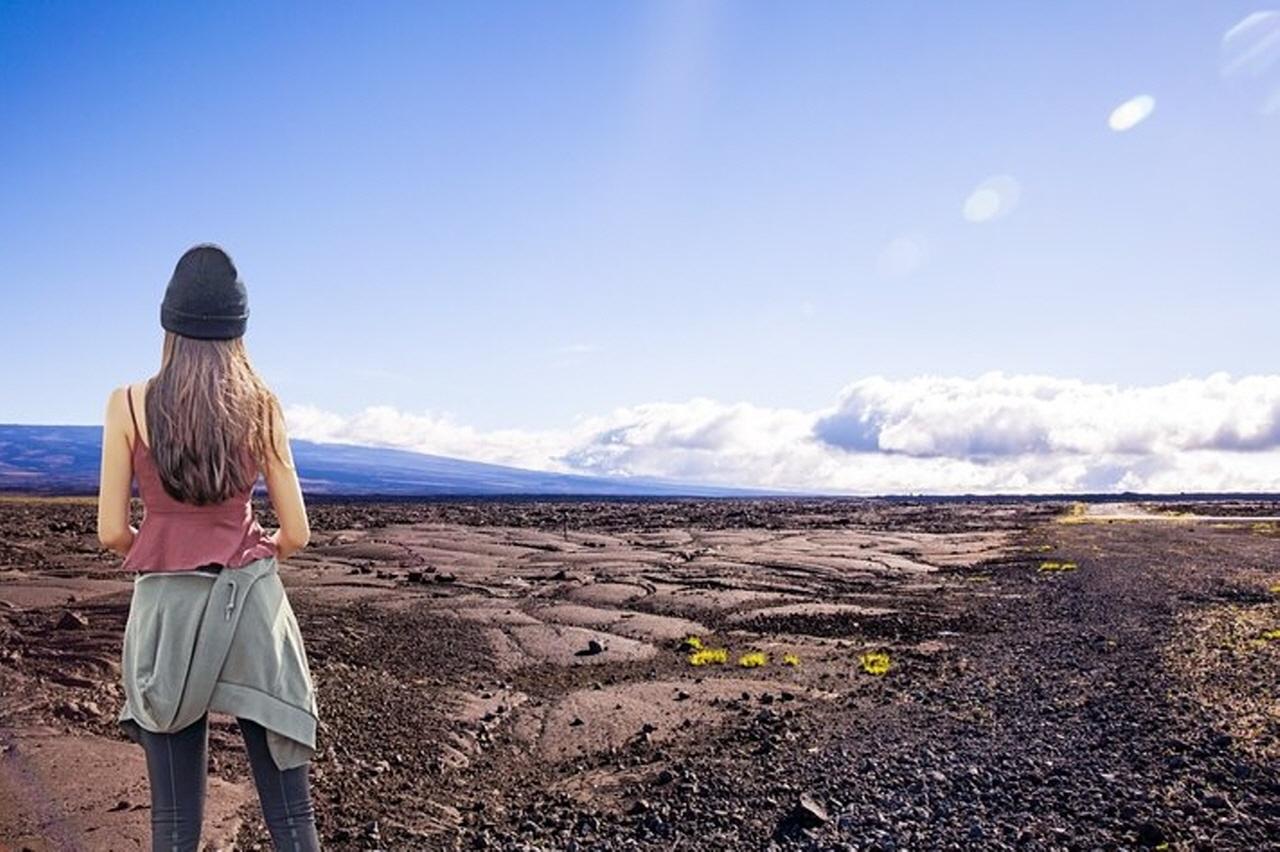
Big Island Volcano Explorer with Flights from Oahu
Fly from Honolulu to witness Kīlauea's volcanic power, explore lava tubes, and discover Hilo's waterfalls
Reserve
Hand-picked by our editors — only the best 5 experiences from 240 reviewed.
Verified partners for every tour, free cancellation where available, and instant confirmation on every booking.
12 hr 30 min
Fly from Honolulu to witness Kīlauea's volcanic power, explore lava tubes, and discover Hilo's waterfalls
Reserve
9 hr
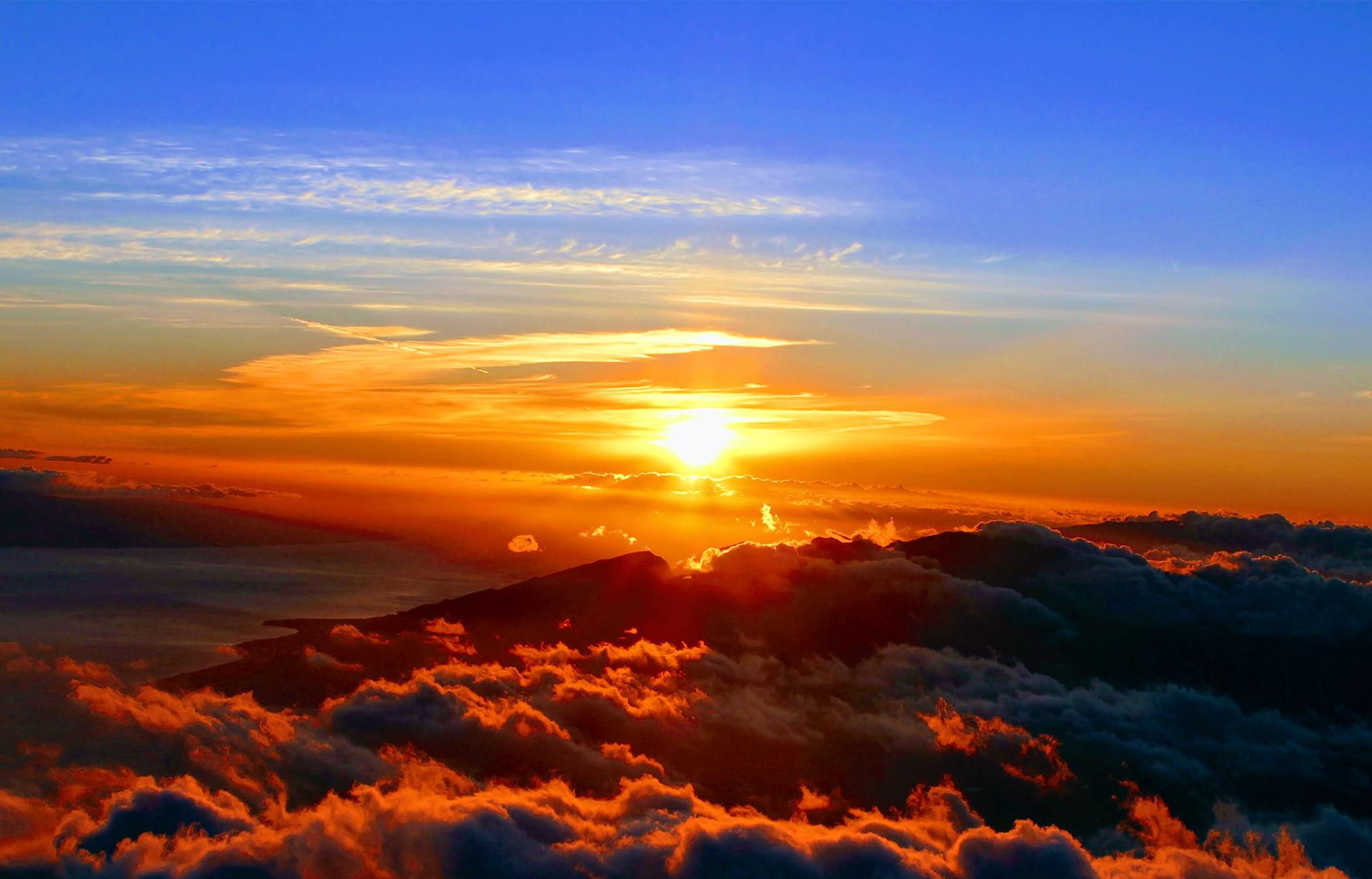
Watch dawn break from a 10,023-foot volcanic summit with guided commentary and breakfast included.
Reserve
5 hr 30 min
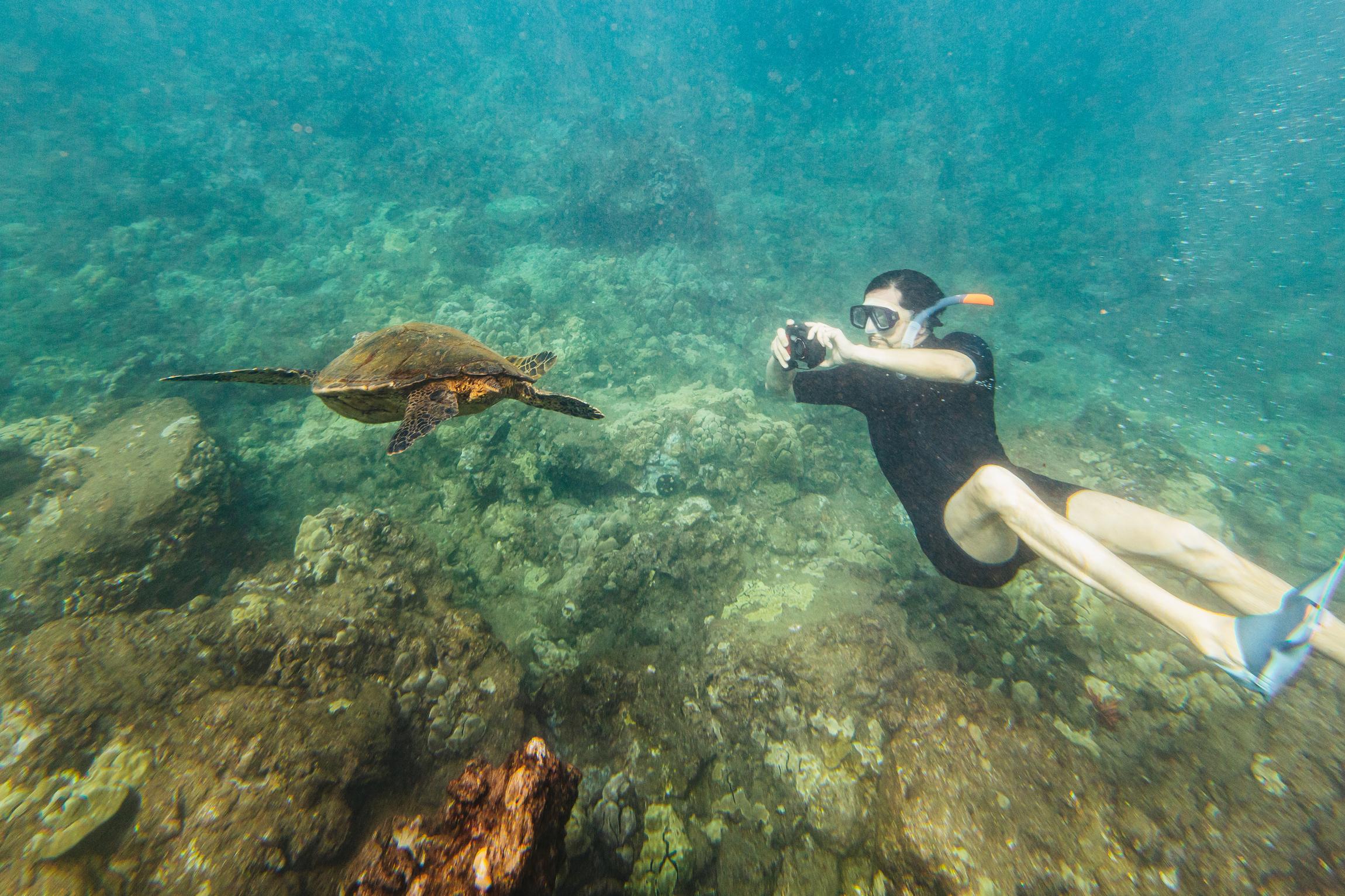
Snorkel a volcanic crater and swim with sea turtles on this half-day catamaran voyage from Maalaea.
ReservePrices from verified partners. Availability updates in real time at checkout. Free cancellation policies apply where shown.
The landmarks, rooms, and views travelers on this tour remember — all visible on a single visit.
This massive summit crater is central to Hawaiian mythology and remains the most active volcanic site in the park. It doubled in size during the 2018 seismic events.
They complement each other; most visitors who do both call the inter-island expedition the more thrilling journey. Choosing big island volcano tours from maui offers a geological shift, while Haleakalā provides an accessible alpine-desert landscape.
| Feature | Top pick HVNP (Big Island) | Haleakalā (Maui) |
|---|---|---|
Travel Time |
4–6 hours flight/transit | 30–90 minutes drive |
Logistical Complexity |
High (inter-island transit) | Low (on-island driving) |
Volcanic Activity Level |
Active eruptions/steam vents | Dormant crater landscape |
Cost |
400–600 USD per person | 30 USD per vehicle (summer) |
Primary Experience |
Active geothermal exploration | High-altitude sunrise viewing |
| See tickets → |
Verdict: Securing big island volcano tours from maui tickets is worthwhile for witnessing active craters, whereas visiting the local crater is ideal for those seeking convenience.
Choose your ticket, select your date, and reserve in under two minutes. Secure checkout handled by our verified partner.
Instant confirmation by email, with a mobile voucher you can save offline. No printing, no queuing at a collection desk.
Arrive at the entrance, show your voucher on your phone, and walk in. Most tickets include priority or skip-the-line access.
Practical details for your visit straight from our verified partners — hours, access, rules, and how to get there.
1 Crater Rim Drive, Hawaii National Park, HI 96718
Primary start for big island volcano tours from maui.
Follow Highway 11 to 1 Crater Rim Drive; parking is limited.
Wear sturdy hiking boots and moisture-wicking layers for Hawaii Volcanoes National Park. Conditions at the 4,000-foot summit are often 12-15 degrees cooler than at sea level.
Keep your day pack lightweight for your big island volcano tours from maui. Ensure you have space for extra water and protective gear for volcanic conditions.
Bring a tripod and zoom lens to capture the crater glow during your big island volcano tours from maui. Drones are strictly prohibited without a special use permit.
The Kīlauea Visitor Center area offers accessible paths for visitors on big island volcano tours from maui. Check the park website for specific trail grading before arrival.
Cell service is intermittent throughout Hawaii Volcanoes National Park. Download offline maps and your entrance pass before starting your big island volcano tours from maui.
Families on big island volcano tours from maui should prioritize the paved Crater Rim Trail. Always keep children within arm's reach near volcanic vents and steep cliff edges.
There are limited dining options inside Hawaii Volcanoes National Park. Most visitors on big island volcano tours from maui pack sufficient water and high-protein snacks for the day.
Pets must be leashed at all times and are restricted from many trails in Hawaii Volcanoes National Park. Avoid bringing them on longer big island volcano tours from maui.
Always respect marked safety barriers at volcanic craters. The air quality can shift rapidly; follow all ranger instructions provided during your big island volcano tours from maui.
1 Crater Rim Drive, Hawaii National Park, HI 96718
Primary start for big island volcano tours from maui.
Get directionsBest time to go, insider tips, nearby landmarks, and the cancellation fine print — flip through to skim what matters to you.
How crowds, weather, and events shift across the year.
Mild temperatures and fewer crowds make for ideal exploration.
Expect warmer coastal conditions; arrive between 06:00–10:00 to avoid heat.
Clear skies are common, perfect for evening stargazing.
Cooler at the summit; check weather reports for potential rain.
Small details that turn a good visit into a great one.
Arrive between 06:00–10:00 to ensure easy parking and cooler hiking conditions.
Temperatures vary wildly from the summit to the coast; bring six layers.
Volcanic terrain is fragile and hazardous; never cross safety barriers.
Visit at night for the best view of volcanic activity in the caldera.
Monitor the official park website for air quality status before starting your day.
Non-bookable sights within a short walk — free to visit, easy to pair.
Historic hotel offering scenic views of the Kīlauea caldera.
Flexible, no hidden fees.
Passes purchased via Recreation.gov are non-refundable and non-transferable. Ensure your 30 USD entrance fee is valid for your planned dates.
Hand-picked options within walking distance — pick a district for vibe, or a specific hotel for convenience.
Home to numerous cozy rainforest rentals and lodges.
Kīlauea has been erupting, in one form or another, for most of the last four decades — long enough that the road maps of 1983 no longer describe the ground they were drawn on. Hawaii Volcanoes National Park was established in 1916, making it the first national park in the Territory of Hawaiʻi and one of the oldest in the system. It protects two active shields: Kīlauea, whose summit caldera sits at roughly 1,200 metres, and Mauna Loa, the largest volcano on Earth by volume. Together they cover more than 300,000 acres of the island's southeastern flank. Halemaʻumaʻu, the crater within the caldera, is understood in Hawaiian tradition as the home of Pele. That understanding is not decorative. It shapes how the park is managed, how offerings are made at the crater rim, and how the National Park Service interprets the landscape to visitors arriving on big island volcano tours from maui. The park's character today is defined by loss and renewal in equal measure. The 2018 summit collapse deepened Halemaʻumaʻu by hundreds of metres and destroyed sections of Crater Rim Drive, the road that gives the visitor centre its address at 1 Crater Rim Drive. What remains open threads past steam vents, the Kīlauea Iki crater floor, and the Thurston Lava Tube — a 500-year-old tube carved by a river of molten rock that drained and left a corridor tall enough to walk through upright. Beyond the summit, the Chain of Craters Road descends nearly 1,200 metres to the coast, ending where lava buried the pavement. UNESCO inscribed the park as a World Heritage Site in 1987, citing its unmatched record of shield-volcano formation and the endemic species that colonised the flows. Ōhiʻa lehua takes root in cooled pāhoehoe within years; nēnē, the Hawaiian goose, graze the open lava plains. Rainforest and desert sit within a few kilometres of one another, separated only by the direction of the wind. The park is open continuously, 00:00–23:59, seven days a week, and entry costs 30 USD per private, non-commercial vehicle, valid for seven consecutive days. For travellers based on another island, a Hawaii Volcanoes National Park guided tour compresses that geography into a single day. Flight-inclusive big island volcano tours from maui remain the most direct route to a caldera that continues, quietly and unpredictably, to rebuild itself.

"Rainforest and desert sit within a few kilometres of one another, separated only by the direction of the wind."
A step-by-step walkthrough of the visit — what you'll see, how long each stage takes, and the details that matter.
You start in the dark. Your inter-island flight lifts from the Maui side before the trade winds pick up, and within the hour you are looking down at Haleakalā's cinder cones falling away behind the wing. On the ground, you join the vehicle and roll toward 1 Crater Rim Drive. The best arrival window is 06:00–10:00, and you feel why: the air is cool, the sulphur haze has not yet thickened, and the caldera edge is clear enough to trace the far rim. You walk the overlook first. Then you descend into the Thurston Lava Tube, where the temperature drops and your footsteps echo off walls that once carried molten rock. You come out into fern forest, blinking. By late morning you are on the Chain of Craters Road, dropping roughly 1,200 metres in a series of switchbacks, stopping where the pavement simply ends under a black flow. You pause at the steam vents. You eat somewhere along the way, then turn back for the airfield. The return leg is the part nobody warns you about. You watch the shield volcanoes flatten into ocean, and by evening you are back on Maui with volcanic dust still on your boots. A big island volcano tours from maui tour gives you one long day — and it is enough.
Hawaii Volcanoes National Park is open 24 hours a day, 7 days a week, 365 days a year.
The entrance fee is 30 USD per private, non-commercial vehicle, valid for seven consecutive days.
The park is located at 1 Crater Rim Drive, Hawaii National Park, HI 96718.
We recommend arriving between 06:00–10:00 to avoid mid-day crowds and take advantage of cooler temperatures.
Yes, items such as drones are prohibited; always check the park's official site for the latest rules.
Yes, many areas are family-friendly, though constant supervision is required near volcanic hazards.
Yes, ensure your digital pass is saved to your device before arriving as connectivity is limited.
Dining is very limited; we recommend bringing your own food and water into the park.
Please check your operator’s specific policy, as park entrance fees remain non-refundable per government guidelines.