
7 hr 30 min
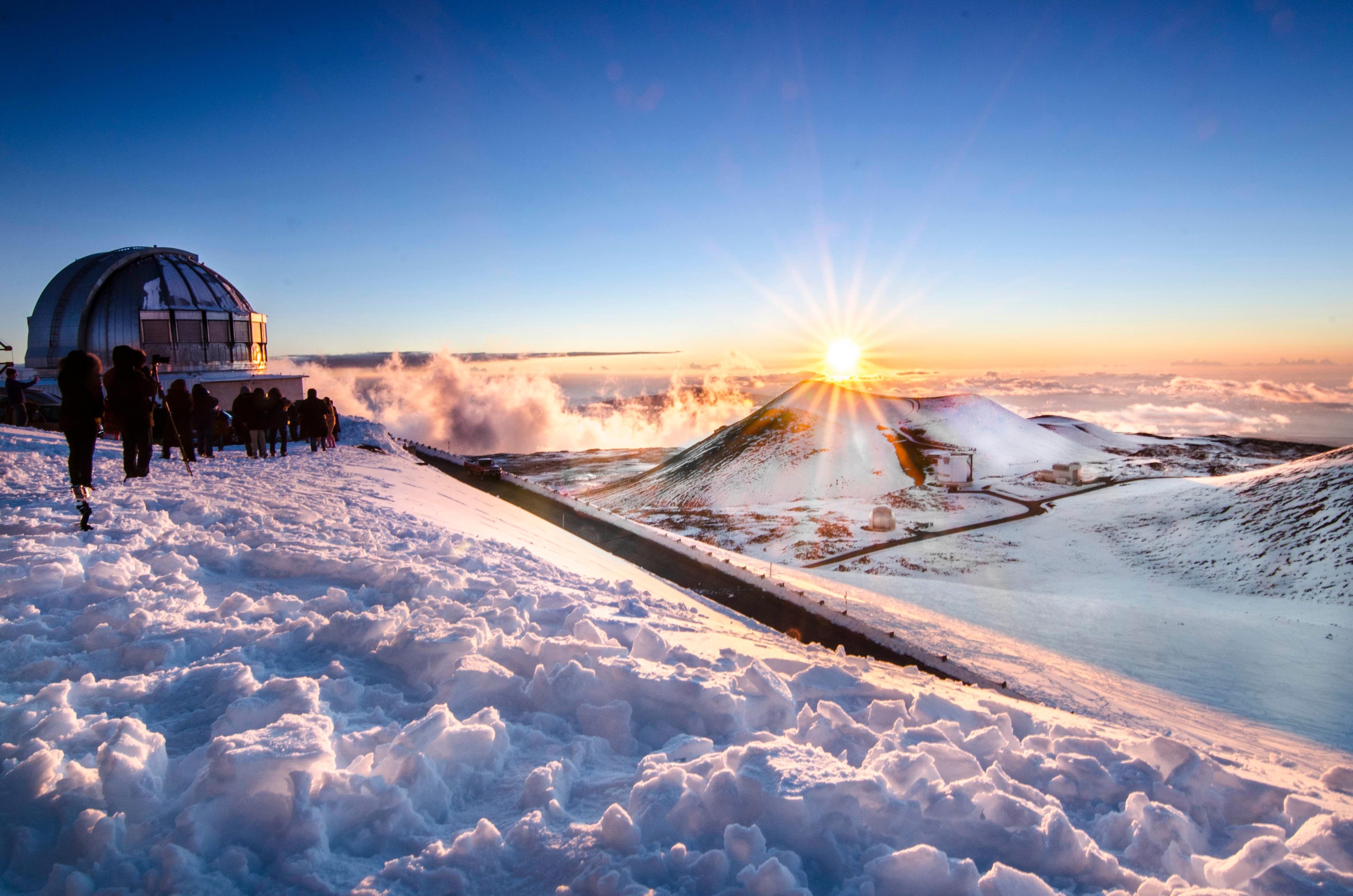
Mauna Kea Sunset and Stargazing Adventure from Hilo
Ascend to the Pacific's highest peak for a breathtaking sunset, guided stargazing, and professional photos.
Reserve
Hand-picked by our editors — only the best 5 experiences from 180 reviewed.
Verified partners for every tour, free cancellation where available, and instant confirmation on every booking.
7 hr 30 min
Ascend to the Pacific's highest peak for a breathtaking sunset, guided stargazing, and professional photos.
Reserve
11 hr
Discover the Big Island's volcanic landscapes, dramatic waterfalls, and local coffee estates on this full-day adventure.
Reserve
1 hr
Soar above Kilauea's caldera, rugged lava fields, and lush waterfalls on a thrilling Hilo helicopter tour.
ReservePrices from verified partners. Availability updates in real time at checkout. Free cancellation policies apply where shown.
The landmarks, rooms, and views travelers on this tour remember — all visible on a single visit.
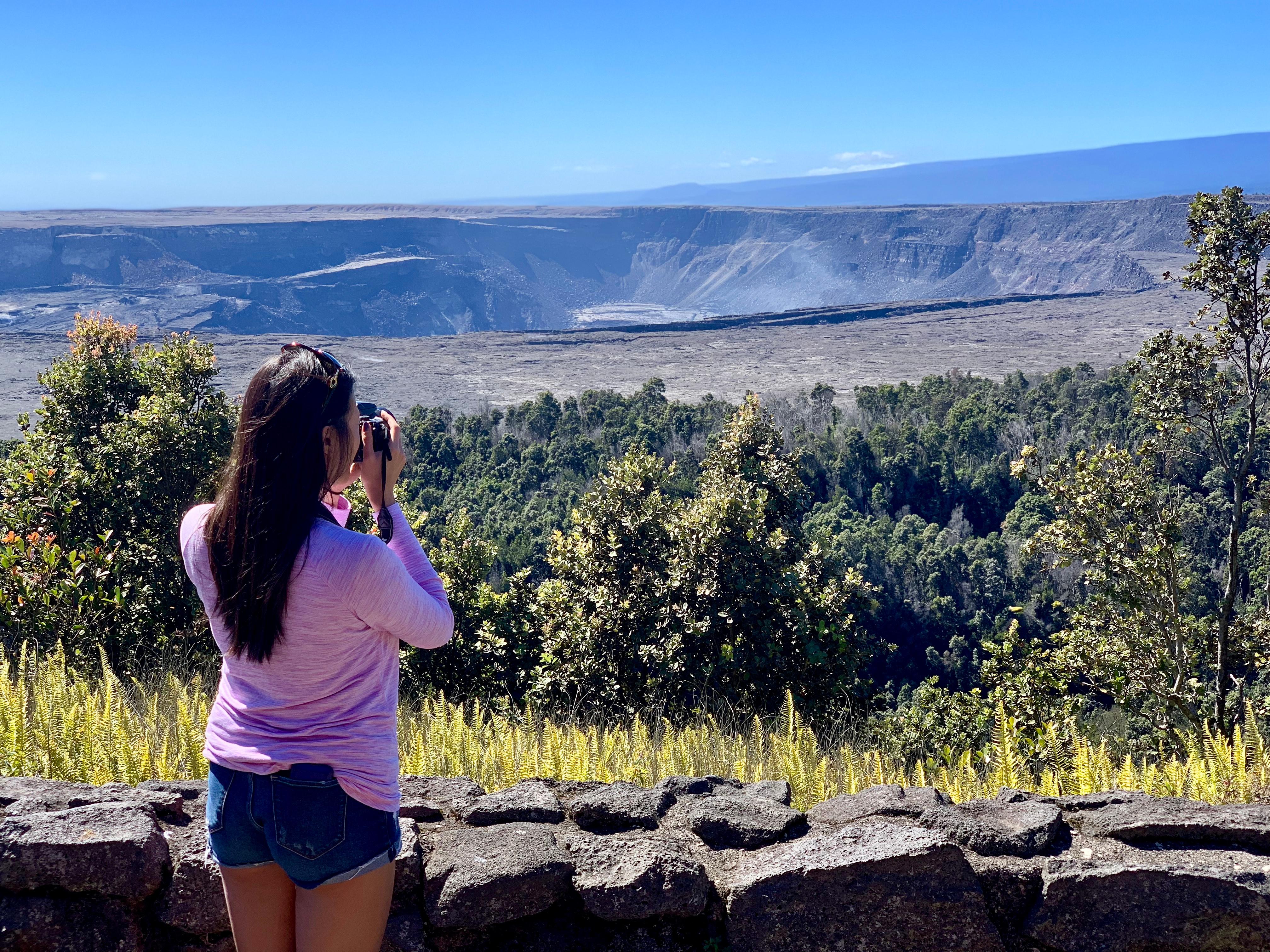
This massive summit crater is the heart of the park and offers views of active volcanic features. It spans approximately 3 miles across and is constantly changing due to geothermal activity.
Known as Nahuku, this cave was formed by a river of lava centuries ago. It features a lush rainforest entrance and a cool interior walkway.
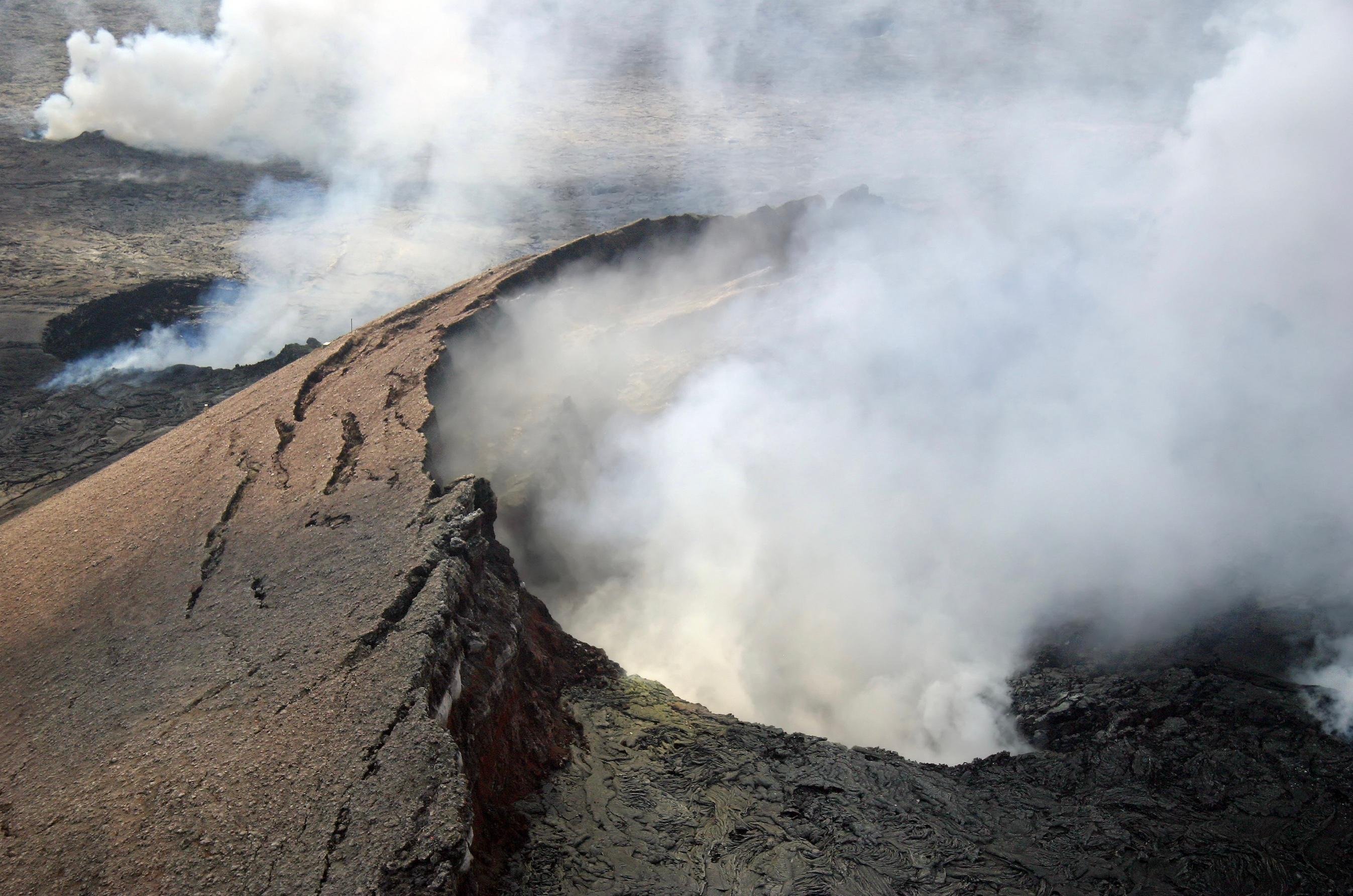
Watch water turn to vapor as it encounters heated rocks deep beneath the earth. These vents release visible clouds of steam into the crisp mountain air.
This path showcases the impact of the 1959 eruption, where trees were buried by cinders. It provides a stark contrast between barren lava fields and recovering native plants.
This active vent within the larger caldera is a primary focus for geological study. It has been the site of frequent eruptions throughout the 21st century.
Guided van tours offer comprehensive educational depth, while big island volcano bike tours provide an immersive, high-energy connection to the caldera landscapes.
| Feature | Top pick Bike Tours | Guided Van Tours |
|---|---|---|
Physical Exertion Level |
High - active cycling | Low - passive transport |
Depth of Park Exploration |
Focused - specific road sections | High - multiple park landmarks |
Terrain Accessibility |
Paved road and path focus | Off-road and trail-head access |
Group Interaction Style |
Peer-to-peer while riding | Structured narration from guide |
Pace and Flexibility |
Controlled by rider cadence | Fixed schedule for group |
Gear Requirements |
Helmet and safety equipment | Minimal - standard walking clothes |
| See tickets → |
Verdict: Choose van transit for inclusive access to park landmarks, or select big island volcano bike tours tickets if you prefer self-powered exploration of the scenic Crater Rim Drive.
Choose your ticket, select your date, and reserve in under two minutes. Secure checkout handled by our verified partner.
Instant confirmation by email, with a mobile voucher you can save offline. No printing, no queuing at a collection desk.
Arrive at the entrance, show your voucher on your phone, and walk in. Most tickets include priority or skip-the-line access.
Practical details for your visit straight from our verified partners — hours, access, rules, and how to get there.
1 Crater Rim Drive
Main meeting spot for many tours.
Follow Highway 11 to the park entrance; ample parking is available at the Kilauea Visitor Center.
Wear closed-toe shoes and layered clothing, as temperatures fluctuate significantly across Big island volcano bike tours. High-visibility gear is recommended for all cyclists.
Participants on any bike excursion in Hawaii Volcanoes National Park should store personal belongings in support vehicles. Ensure all items are secured to prevent loss during the ride.
Photography is permitted throughout Hawaii Volcanoes National Park, but riders should not stop on active roadways for photos. Use designated turnouts to capture the landscape.
While the park contains paved roads suitable for cycling, terrain may be challenging for those with limited mobility. Contact individual big island volcano bike tours operators regarding adaptive equipment.
Mobile service is inconsistent across Hawaii Volcanoes National Park. Keep devices fully charged and use them sparingly while cycling.
Younger riders must meet minimum age and height requirements set by specific Big island volcano bike tours companies. Parents should supervise children at all times near volcanic vents.
Bring sufficient water and snacks, as services inside Hawaii Volcanoes National Park are limited. Hydration is critical when participating in physically demanding outdoor cycling.
Pets are prohibited on many trails and in specific cycling areas of Hawaii Volcanoes National Park to protect native wildlife. Check current park regulations before bringing animals.
Always stay on marked trails and paths while touring the park. Be aware of volcanic gases that may impact air quality during your visit.
Best time to go, insider tips, nearby landmarks, and the cancellation fine print — flip through to skim what matters to you.
How crowds, weather, and events shift across the year.
Mild temperatures and lower rainfall make for excellent cycling conditions throughout the park.
Small details that turn a good visit into a great one.
Drink water before you start your ride to acclimate to the park elevation.
Non-bookable sights within a short walk — free to visit, easy to pair.
Walk through a massive 500-year-old subterranean lava tunnel.
A vast crater floor featuring a hardened lava lake.
Natural openings where groundwater meets volcanic heat.
A path through a landscape reshaped by past eruptions.
Flexible, no hidden fees.
Big island volcano bike tours must be cancelled according to the specific operator guidelines provided at booking. Refunds for the 30 USD entrance fee are subject to National Park Service regulations.
Hand-picked options within walking distance — pick a district for vibe, or a specific hotel for convenience.
Historic hotel located on the rim of Kilauea caldera.
Quiet retreat located in the village of Volcano.
Simple rustic accommodations within park boundaries.
Kīlauea's summit floor collapsed by more than 300 metres over three months in 2018, and the loop road that once encircled it has never fully reopened. That subsidence redrew the terrain now traced by Big Island volcano bike tours, which run on the paved arteries still standing inside Hawaiʻi Volcanoes National Park. Park headquarters keeps the address 1 Crater Rim Drive, Hawaii National Park, HI 96718, a postal fiction older than the volcano's present shape. Geology here is not backdrop. It is schedule. Congress established the park on 1 August 1916, when its boundaries also covered Haleakalā across the channel; the two separated in 1961. Thomas Jaggar had founded the Hawaiian Volcano Observatory on the caldera rim four years earlier, and continuous instrumental monitoring of Kīlauea has run ever since. UNESCO inscribed the property as World Heritage in 1987, citing Mauna Loa and Kīlauea as among the most active volcanic landscapes on Earth. Native Hawaiian tradition places Pele at Halemaʻumaʻu, and the crater remains a living site of offering rather than a museum piece. What makes the park legible from a saddle is its vertical range. A Big Island volcano bike tours tour typically begins near the 1,247-metre summit and follows Chain of Craters Road as it falls roughly 1,130 metres across 19 miles of switchbacks to the Puna coast. Local operators describe these volcano cycling routes on the Big Island as descents, not climbs. Riders pass ʻōhiʻa lehua canopy, then hāpuʻu tree ferns, then bare pāhoehoe and ʻaʻā fields dated by year like strata laid down in living memory. Nēnē, the endemic goose, graze the shoulder. The road ends abruptly beneath a 2003 flow, buried and unrepaired. Built heritage survives in fragments. Volcano House has stood on the caldera edge in some form since 1846, when it was a grass shelter with a single room. The Kīlauea Visitor Center dates to 1932, a Civilian Conservation Corps structure framed in ʻōhiʻa timber. Jaggar Museum, damaged beyond use in 2018, remains closed to the public. Further east, the Puʻuloa petroglyph field records more than 23,000 carved images, the densest such concentration in the archipelago. Demand for Big Island volcano bike tours tickets has grown alongside the guided Kīlauea crater tours and helicopter departures leaving Hilo, all drawn to the same seam between rainforest and lava desert.
"The road that once ringed Kīlauea's summit ended where the summit itself gave way."
A step-by-step walkthrough of the visit — what you'll see, how long each stage takes, and the details that matter.
You reach the entrance station on Crater Rim Drive at 06:00, while the caldera still holds cloud and the handlebars are cold. Most Big Island volcano bike tours tours stage from the parking area above the rim, so you are moving before the first rental cars queue. Driving yourself, you pay 30 USD per private non-commercial vehicle, valid for seven days, and leave the receipt on the dash. You roll east to the Steam Vents, where groundwater meets hot rock and the fence posts drip. You stop at Kīlauea Overlook, lean the bike on the railing, and look across the collapsed floor toward Halemaʻumaʻu. You duck into Nāhuku, the roughly 500-year-old lava tube, and follow lit stone for 180 metres with fern roots hanging through the ceiling. Then you point downhill. Chain of Craters Road gives you 19 miles of descent and 3,700 feet of drop, past flows signed 1969, 1972, 1974. You brake at Kealakomo for the pali view, then again where the pavement stops under a 2003 flow near the Hōlei Sea Arch. The climb back is the honest half. If you have booked a guided departure instead, a van collects you in Hilo, trades pedalling for a Kona coffee plantation and a black sand beach, and delivers you to a Mauna Kea sunset with the telescopes already tracking.
Participation depends on the specific Big island volcano bike tours operator requirements, though many are designed for active older children. Check the specific age minimum before purchasing.
The entrance fee is 30 USD per private non-commercial vehicle, which is valid for seven days of access to Hawaii Volcanoes National Park. Tour-specific costs are separate and vary by operator.
Yes, weather is unpredictable, but big island volcano bike tours often proceed unless conditions are severe. Always verify with your specific provider regarding their weather policy.
The park is best accessed by private car; the address is 1 Crater Rim Drive, Hawaii National Park, HI 96718. Follow signage to the designated meeting point for your bike tour.
Arriving between 06:00–09:00 is recommended to avoid peak crowds and heat while maximizing your time in the park. This window is ideal for beginning a bike journey.
Lockers are not provided; store gear securely in your transport vehicle or with your tour operator. Plan to carry only essentials during the ride.
Cancellation policies for big island volcano bike tours depend on the individual operator; check your booking confirmation for specific refund terms. Entrance fees are managed by the National Park Service.
Photography is encouraged throughout your tour, though safety requires you to stop only at designated turnouts. Do not attempt to take photos while actively riding on the road.
Yes, your seven-day pass allows you to visit landmarks like the Thurston Lava Tube or Kilauea Iki Crater after your guided bike ride ends.