Big Island Volcano Tours
Location Guide

Big Island Volcano Location

Travellers searching for volcanoes on Hawaii Island often picture a single mountain with a single road to it. The reality is a 335,000-acre federal park spanning two active volcanoes, sea-level lava benches and a 4,000-foot summit plateau. This page sets out exactly where that ground lies and what the geography means for your arrival.

9 min read Updated 2026-08-14 Fact-checked
Big Island Volcano Location

Quick answer

The main big island volcano location is Hawaii Volcanoes National Park at 1 Crater Rim Drive, Hawaii National Park, HI 96718, on the island's wetter southeastern flank. The park gates stay open 24 hours a day, seven days a week. Entry is 30 USD per private vehicle, valid for seven consecutive days. Visitor centres and some crater roads keep shorter, weather-dependent hours.

Kilauea is not a mountain in the conventional sense. Visitors expecting a cone often drive past its summit without registering it. The volcano reads instead as a broad, gently sloping shield capped by Halemaumau, a collapse crater sunk into the wider Kaluapele caldera. Its neighbour, Mauna Loa, is the largest active volcano on Earth by volume, yet its slopes rise so gradually that the eye refuses to read them as steep. Understanding this shape is the first step to understanding the big island volcano location itself. The park occupies the southeastern quadrant of Hawaii Island, in the Puna and Kau districts. Hilo lies to the northeast; Kailua-Kona sits on the opposite, drier coast, which is why the two towns produce very different drive times to the same gate. Elevation, not distance, governs the experience. The summit area sits near 4,000 feet, where trade-wind cloud and rain arrive without warning, while the Chain of Craters Road descends through lava fields to the Pacific. Sulphur dioxide from the vent drifts on the wind, and rangers close sections of Crater Rim Drive when readings climb. Any visitor guide worth its salt makes this point early: conditions here are vertical as well as geographical. The practical consequence is that the volcano location on Hawaii Island functions as a full-day destination rather than a stop between other errands. Most itineraries pair a summit overlook, a stretch of the Kilauea Iki crater floor, and the Thurston Lava Tube, then push down toward the coastal lava plain in the afternoon. Volcanic activity changes what is accessible: eruptive episodes have opened and closed viewpoints repeatedly through 2025 and 2026, so the National Park Service posts current status before each day begins. Checking that notice matters more than any fixed plan. Cell coverage inside the park is patchy, and the nearest reliable fuel and groceries are in Volcano village or Naalehu. Downloading maps in advance is standard practice. Travellers coordinating a wider Hawaii Island landmarks route often anchor the day around the park and build the rest of the drive outward from it, whether that means the black sand at Punaluu or the coffee slopes above Kealakekua Bay. Guided departures from both coasts handle the driving and the timing, which is the usual reason to book one rather than self-drive. Whichever way the day is assembled, treat the big island volcano location as the fixed point and let everything else move around it.

“Elevation, not distance, governs the experience.”
Directions

Finding the Big Island Volcano Location

Hawaii Volcanoes National Park is located on the southeast side of the Big Island. The primary access point is via Hawaii Belt Road, also known as Highway 11.

Car 45 min

From Hilo via Highway 11

Car 2.5 hours

From Kona via Highway 11

Taxi Varies Varies

Via Highway 11

Use the best arrival window of 06:00–10:00 to avoid mid-day crowds and secure parking at popular trailheads and overlooks. The park address is 1 Crater Rim Drive, Hawaii National Park, HI 96718.

Timing

Best Time to Visit the Big Island Volcano Location

The best arrival window is 06:00–10:00 to avoid mid-day crowds and secure parking at popular trailheads and overlooks. Visiting during this time ensures access to core locations before peak congestion occurs.

Weekday mornings

Minimal congestion

Parking is readily available at most trailheads during these hours. You can access major points of interest with fewer interruptions.

April and May

Moderate volume

Mild temperatures around 70°F

These spring months offer stable weather conditions and fewer visitors than summer. Ideal for hiking longer trails before the heat increases.

October and November

Low to moderate volume

Cooler temperatures near 68°F

Late autumn provides pleasant conditions for exploration. Crowd levels remain manageable compared to the peak winter and summer seasons.

Verdict: The concrete best slot is arriving between 06:00–10:00 on a weekday during the months of April or October.

Opening hours

Big Island Volcano Location Operating Hours

Hawaii Volcanoes National Park remains open to visitors every day of the year. The park operates on a 24-hour schedule, providing access regardless of the day of the week.

monday
00:00–23:59
tuesday
00:00–23:59
wednesday
00:00–23:59
thursday
00:00–23:59
friday
00:00–23:59
saturday
00:00–23:59
sunday
00:00–23:59
There is no formal last-entry time as the park is accessible 24 hours a day.
What to see

Key Sights at the Big Island Volcano Location

Hawaii Volcanoes National Park contains diverse geological features shaped by ongoing volcanic activity. These designated areas provide access to craters, lava tubes, and steam vents.

Crater Rim Drive

Crater Rim Drive

This 11-mile road circles the summit caldera, offering access to various trailheads and overlooks. It serves as the primary route for viewing the park's central volcanic features.

Drive the full loop to identify trailheads for later exploration.
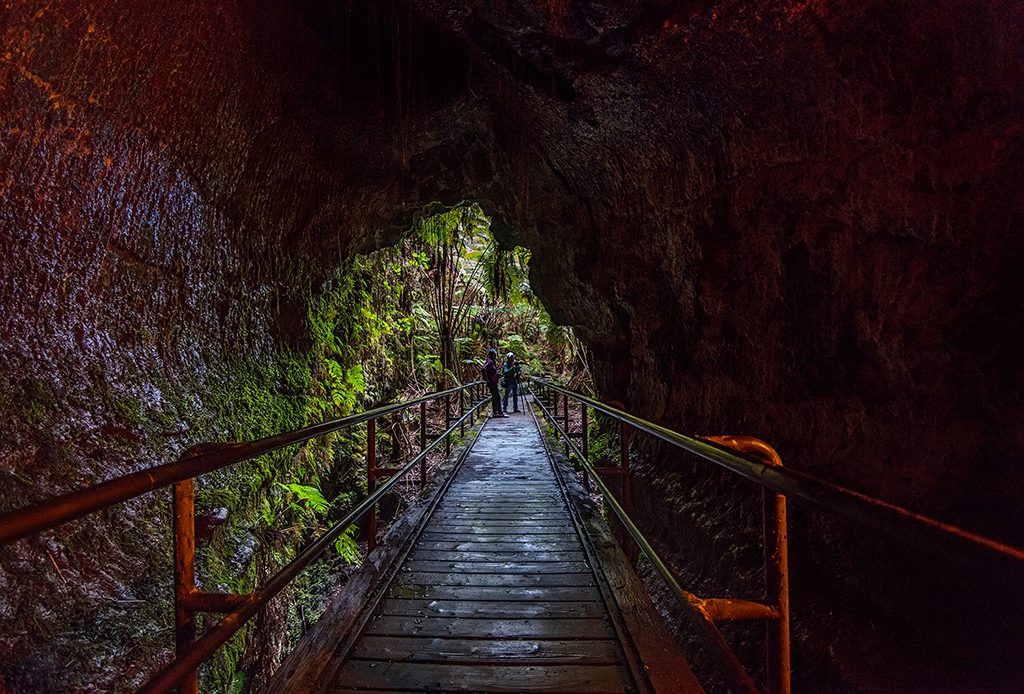
Thurston Lava Tube (Nāhuku)

Thurston Lava Tube (Nāhuku)

A large, accessible lava tube formed by a river of molten rock hundreds of years ago. The path leads through a lush rainforest before entering the cave.

Visit early in the morning to avoid high visitor congestion.

Kīlauea Iki Overlook

Kīlauea Iki Overlook

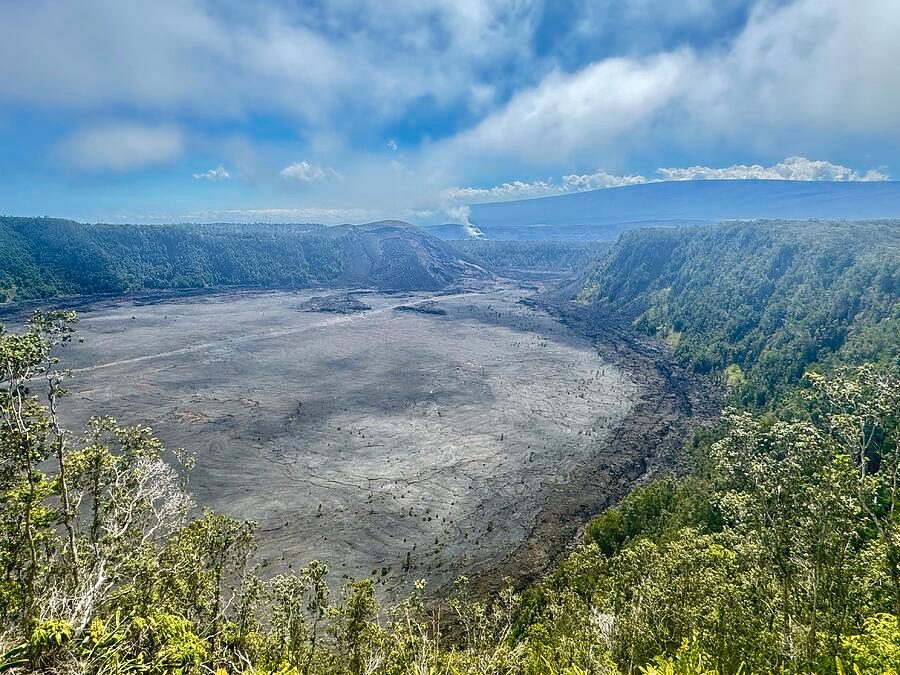
This vantage point provides a view of the Kīlauea Iki crater floor, where a massive eruption occurred in 1959. Visitors can observe the cooling lava lake surface.

Use binoculars to spot steam vents on the crater floor.

Steam Vents

Steam Vents

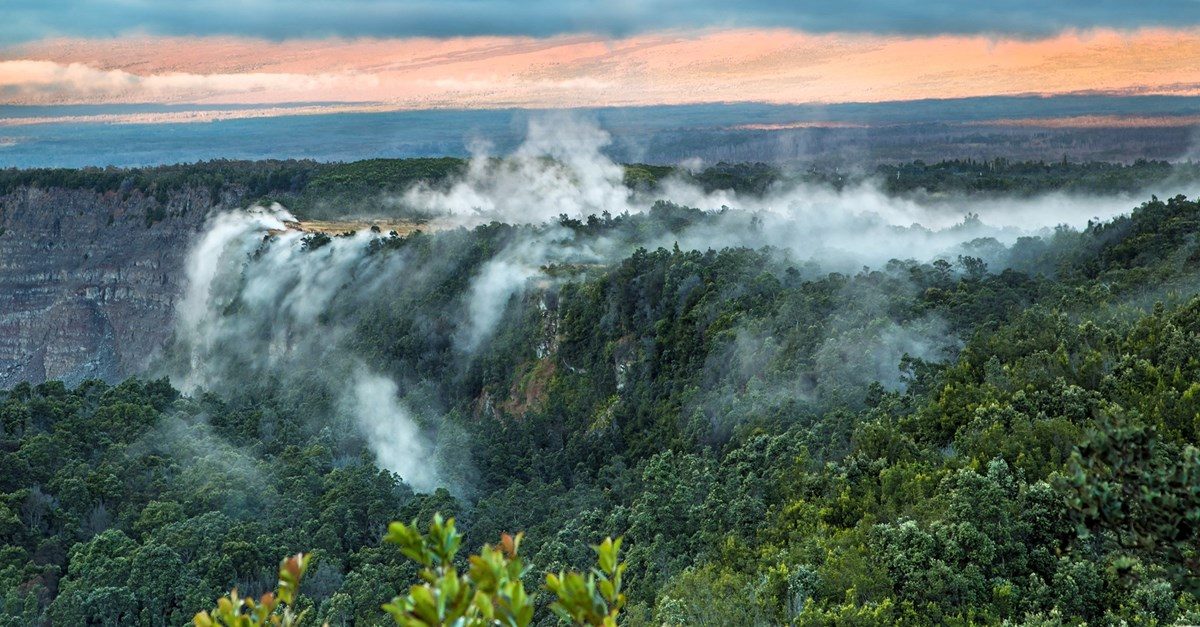
Natural geothermal features where groundwater seeps onto hot volcanic rocks and rises as steam. The area demonstrates the persistent heat beneath the park surface.

Walk the paved path to see steam escaping from the ground.

Halemaʻumaʻu Crater

Halemaʻumaʻu Crater

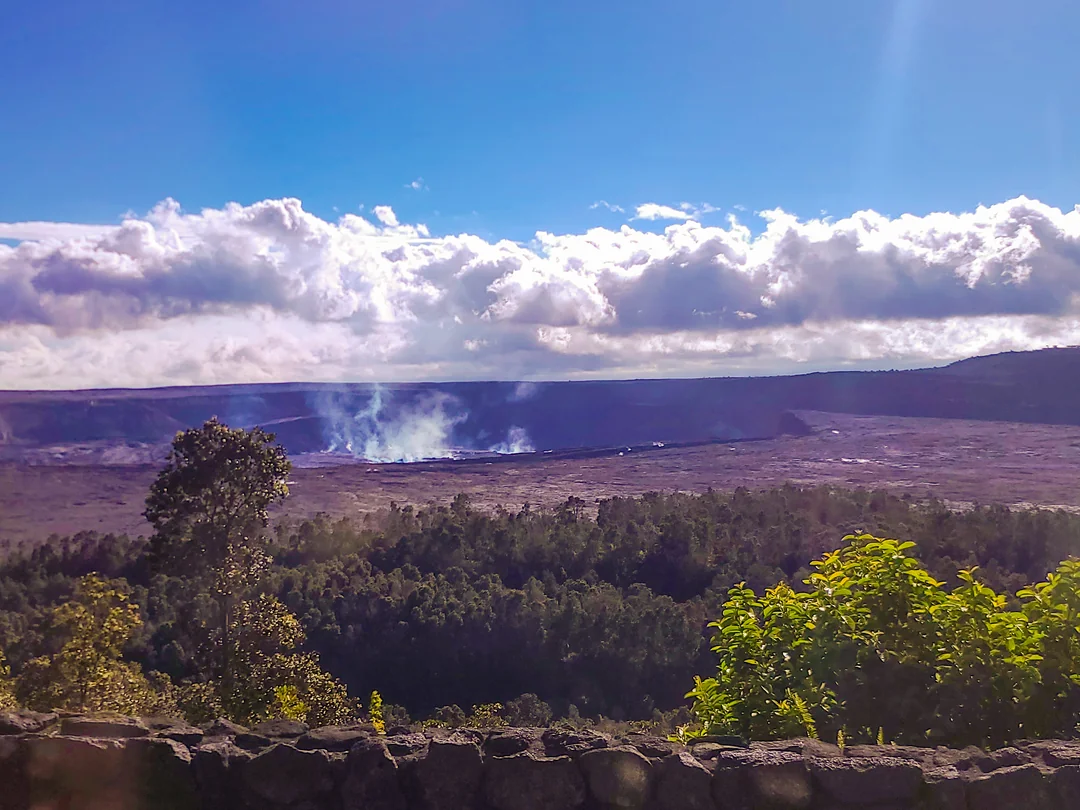
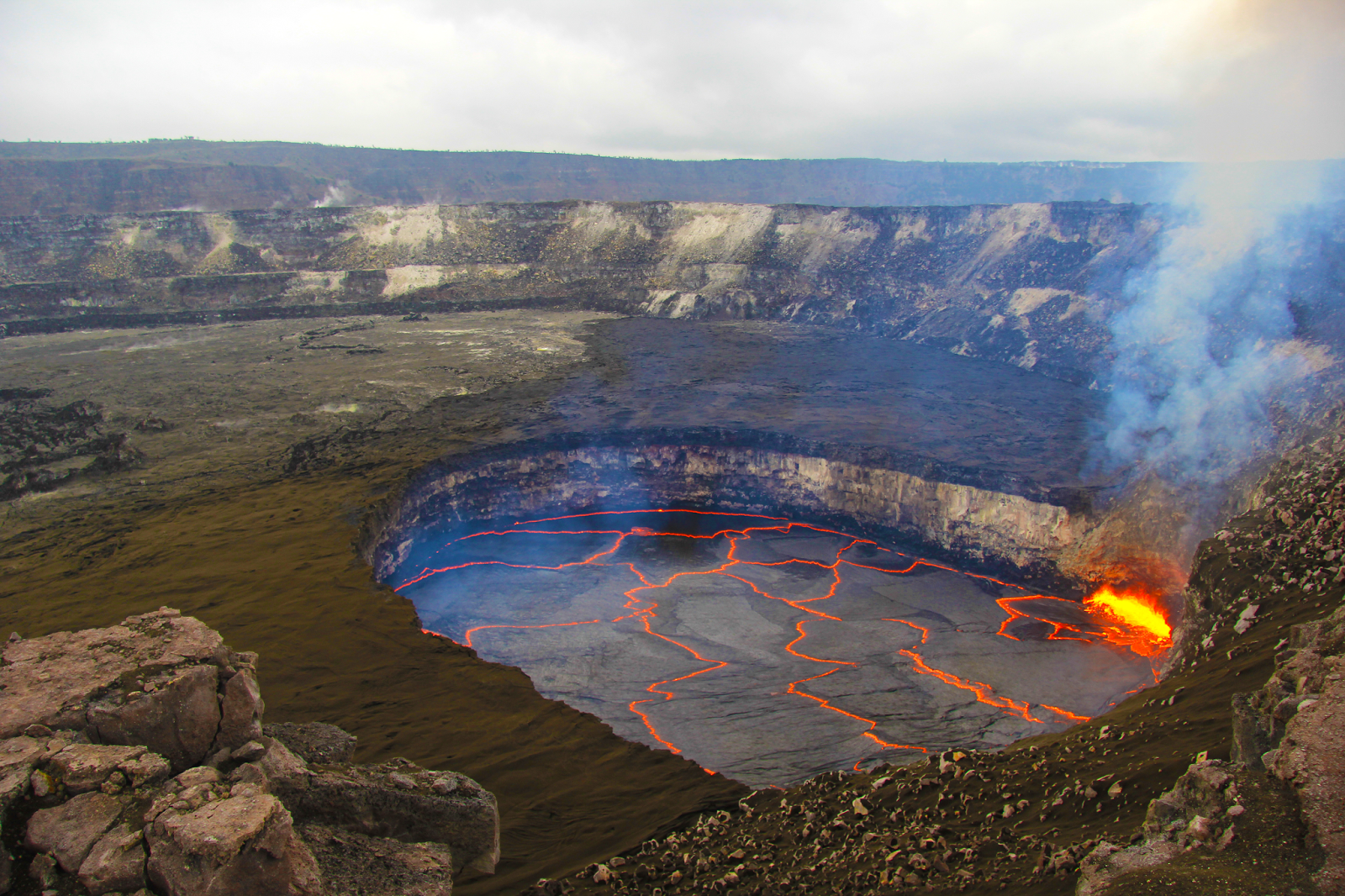
The summit crater of Kīlauea, which has undergone significant changes due to frequent volcanic activity. It remains the most active geological site within the park.

View the crater from designated overlooks along Crater Rim Trail.

Checklist

Preparation Checklist for the Big Island Volcano Location

A few deliberate preparations, made in the weeks before and on the morning itself, keep a day at the volcano safe and comfortable.

Book

Check availability

Frequently asked

Frequently asked questions about big island volcano location

Everything you need to know about big island volcano location

Where is the big island volcano location situated?

The park is located on the southeastern side of the Island of Hawaii. You can find the main access points by following signage for the Hawaii Volcanoes National Park within the Hawaii National Park region.

What is the best time to arrive at this Big Island landmark?

To avoid peak mid-day crowds and ensure you secure a parking space at popular overlooks, the best arrival window is 06:00–10:00. Arriving early helps you navigate the caldera and steaming vents with fewer people.

Are there fees to access the Hawaii Volcanoes National Park site?

The entrance fee is 30 USD per private vehicle, which grants you access for 7 consecutive days. This standard rate applies to all private vehicles entering the park.

Is the big island volcano location open to visitors year-round?

Yes, the park remains accessible every day of the week. Operating hours are 00:00–23:59, allowing for flexibility in planning your crater exploration.

How do I reach the Hawaii volcanic park for my tour?

Visitors typically travel by private vehicle or guided transport to reach the park entrance. Once inside, you can navigate the primary roads to reach various trailheads and observation points.

Can I bring my family to the big island volcano location?

Yes, the park is suitable for families and offers various educational opportunities regarding shield volcanoes and geologic activity. Please check trail conditions and safety warnings before embarking on any hike with children.

What is the address for my GPS when visiting the big island volcano location?

The official address for the park is 1 Crater Rim Drive, Hawaii National Park, HI 96718. Ensure your navigation system is set to this specific location to arrive at the main entrance.

Keep reading

More guides & pages